2018 Nebula Gallery
A Collection of Nebula Images from NASA’s Astronomy Picture of the Day
Note
This report was generated using AI under general human direction. At the time of generation, the contents have not been comprehensively reviewed by a human analyst.
Introduction
This gallery showcases nebulas featured in NASA’s Astronomy Picture of the Day (APOD) during 2018. Nebulas are vast clouds of gas and dust in space - some are stellar nurseries where new stars are born, while others are the beautiful remnants of dying stars.
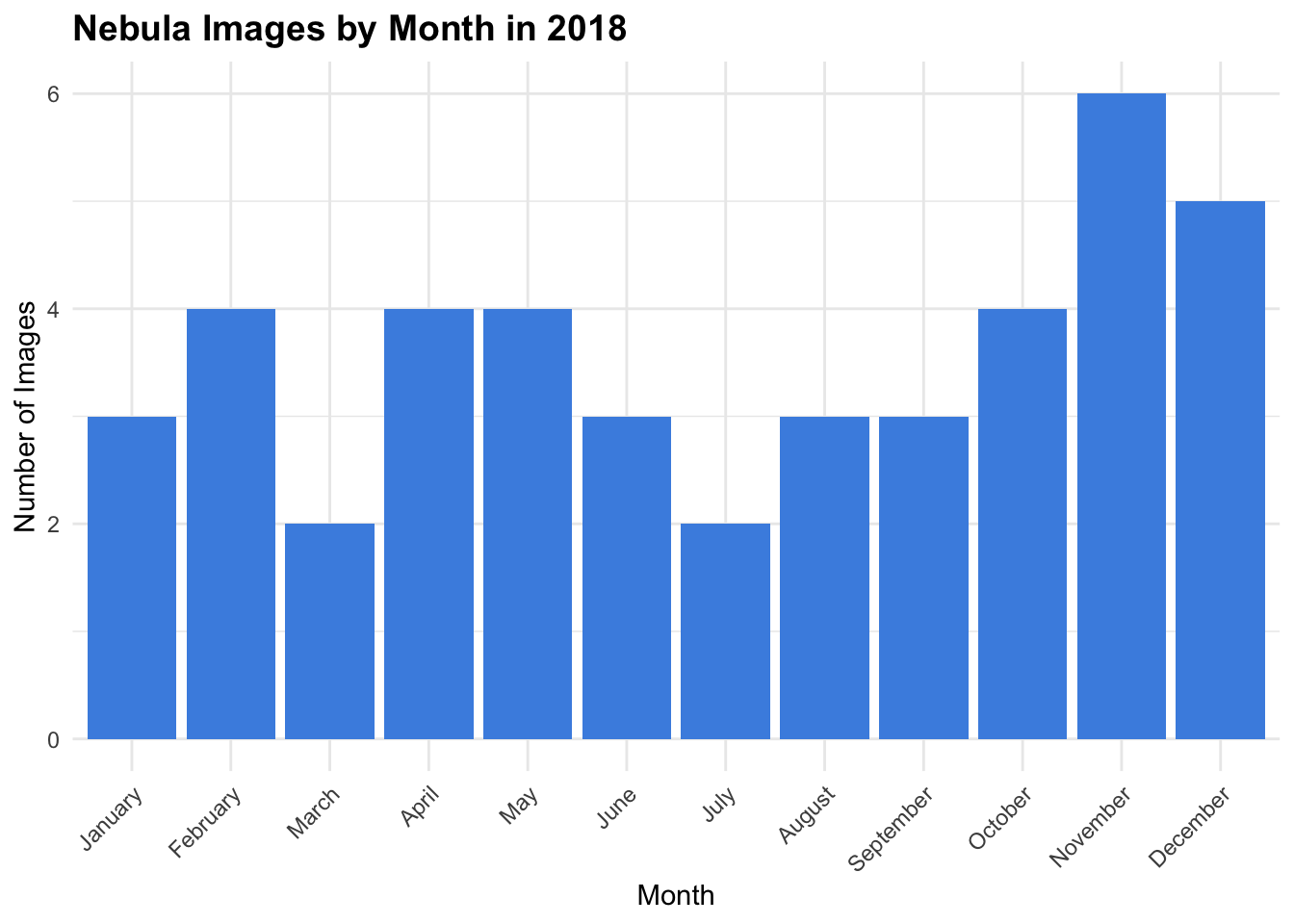
In 2018, APOD featured {r} nrow(nebula_images_2018_available) different nebula images, giving us a stunning tour through some of the universe’s most photogenic cosmic clouds!
Gallery Statistics
The Nebulas
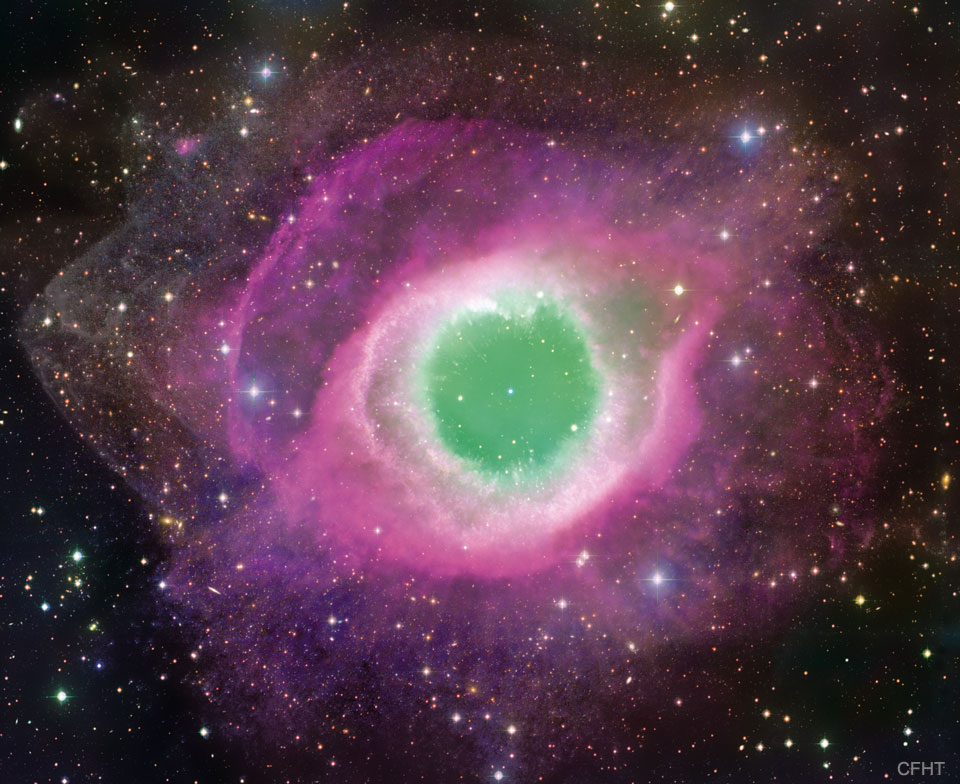
The Helix Nebula from CFHT
January 03, 2018
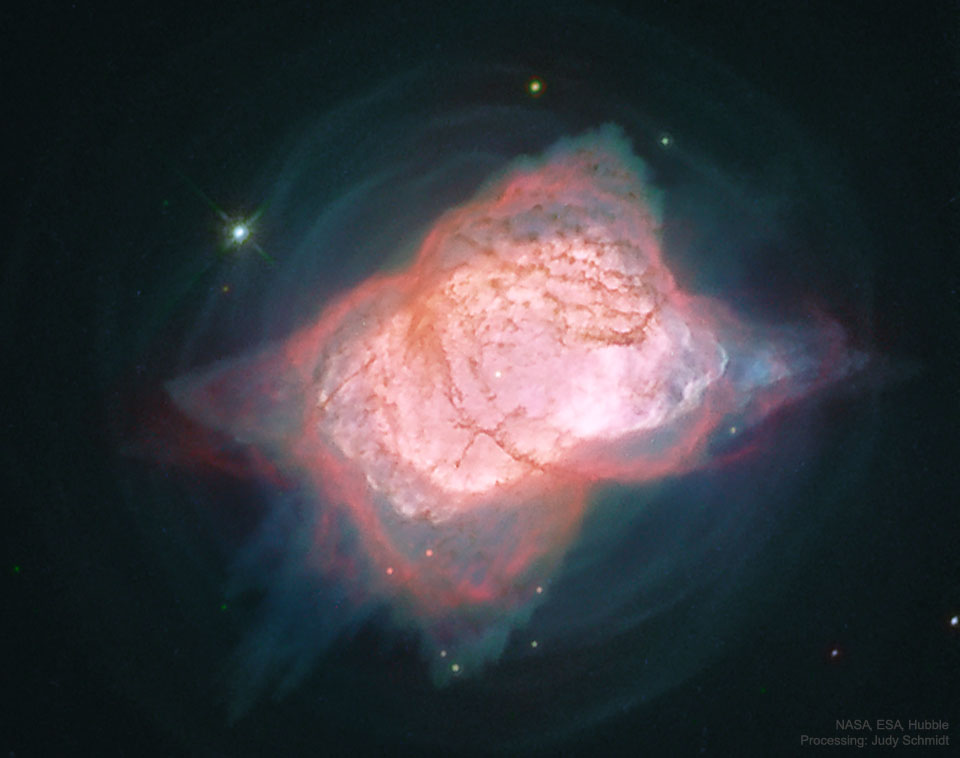
Bright Planetary Nebula NGC 7027 from Hubble
January 09, 2018
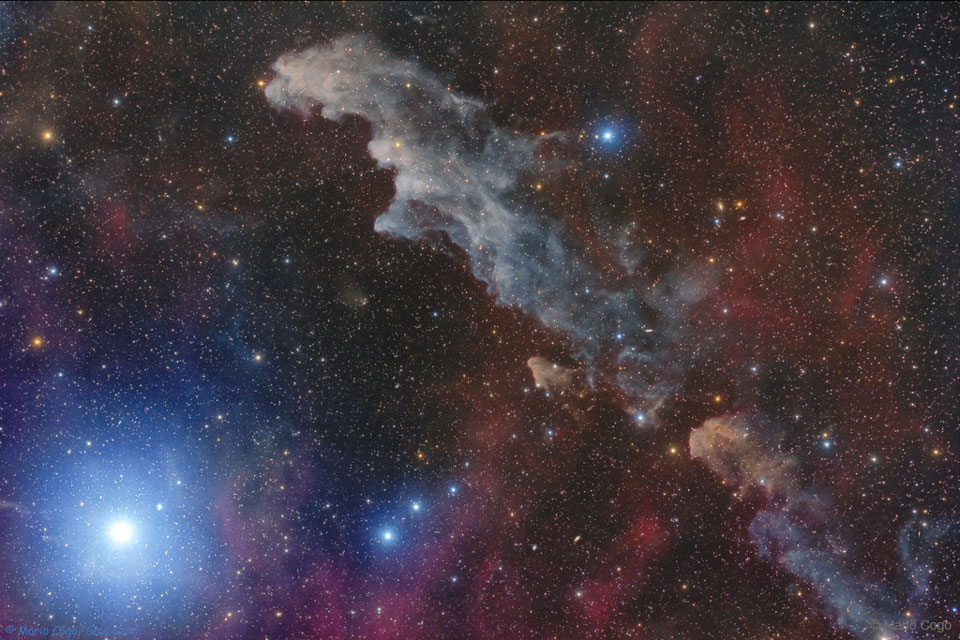
Rigel and the Witch Head Nebula
January 15, 2018
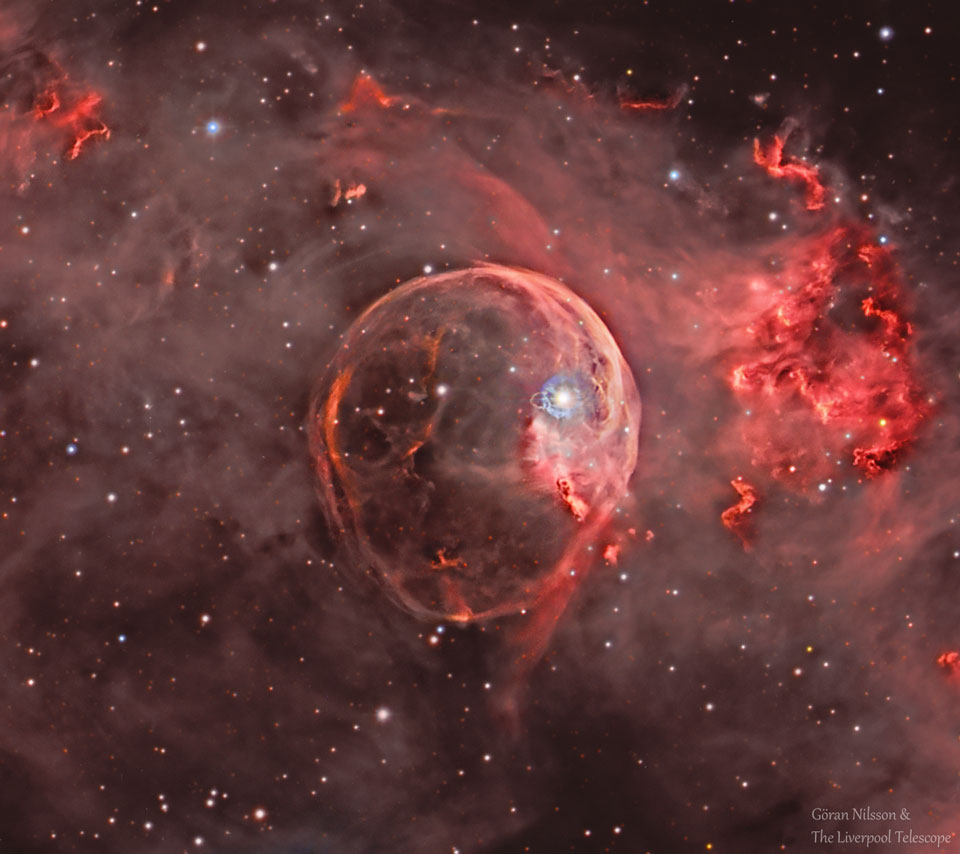
NGC 7635: The Bubble Nebula Expanding
February 05, 2018
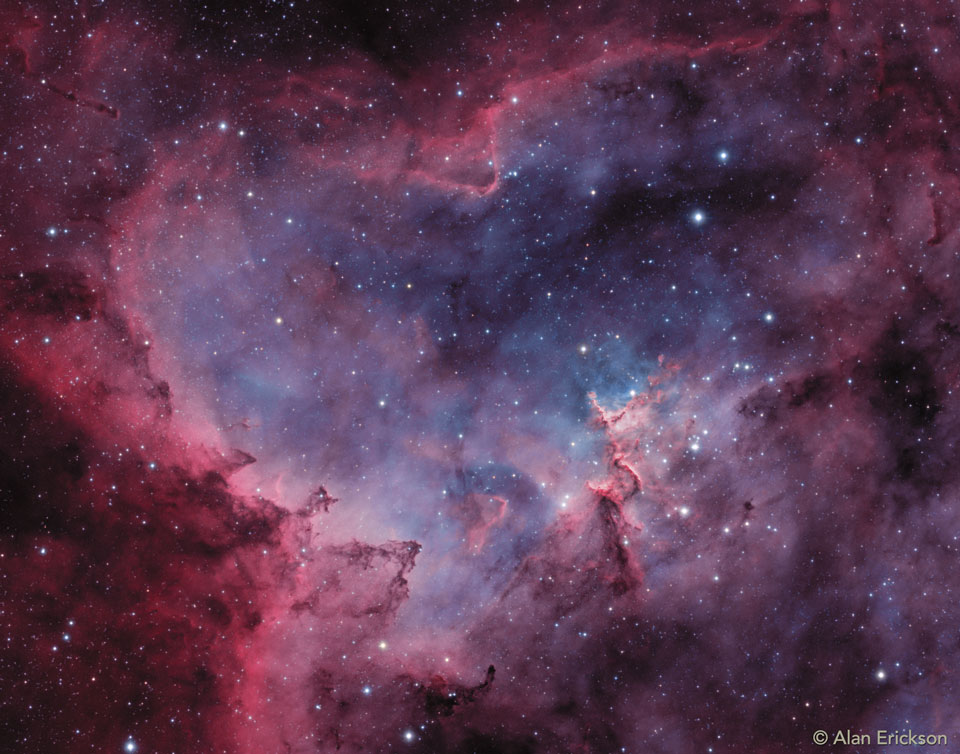
In the Heart of the Heart Nebula
February 14, 2018
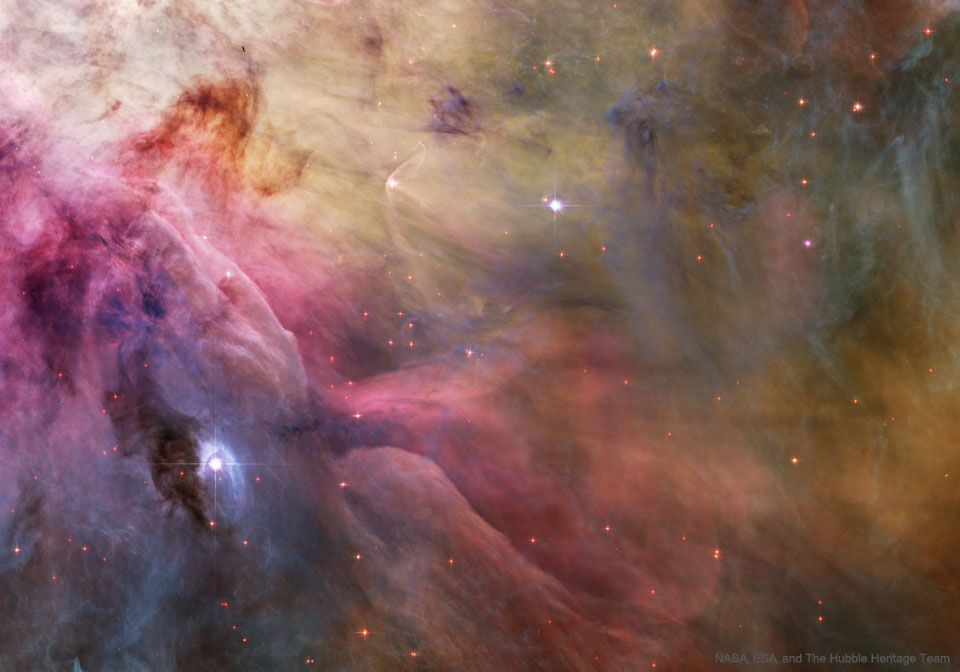
LL Ori and the Orion Nebula
February 18, 2018
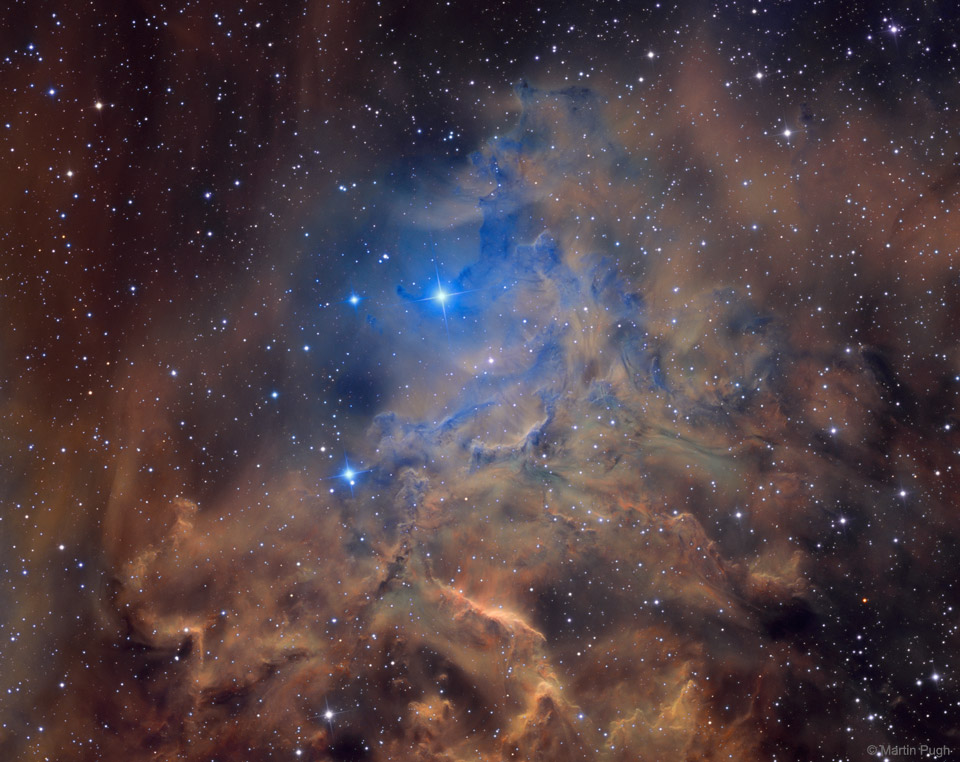
AE Aurigae and the Flaming Star Nebula
February 25, 2018
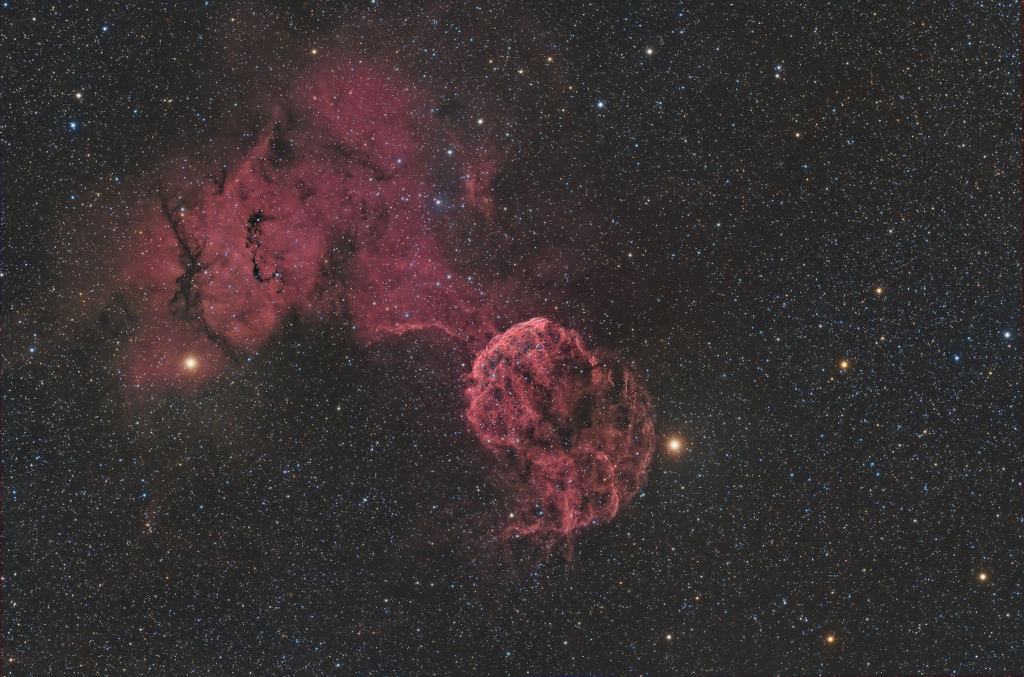
Sharpless 249 and the Jellyfish Nebula
March 23, 2018
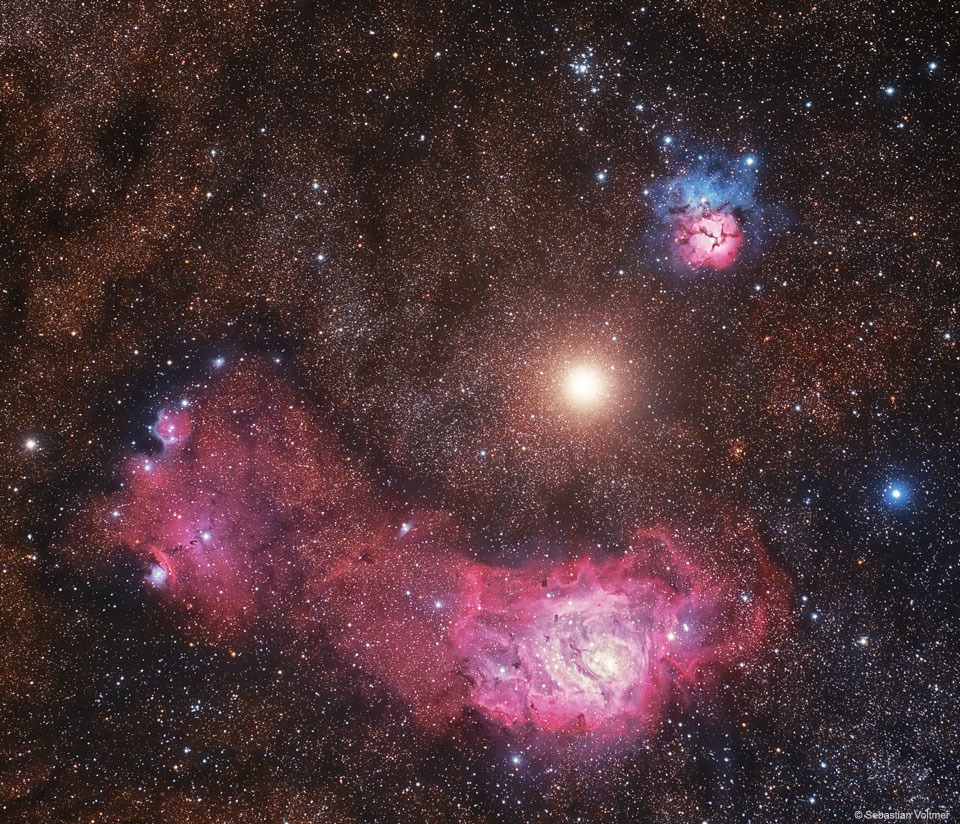
Mars Between Nebulas
March 27, 2018
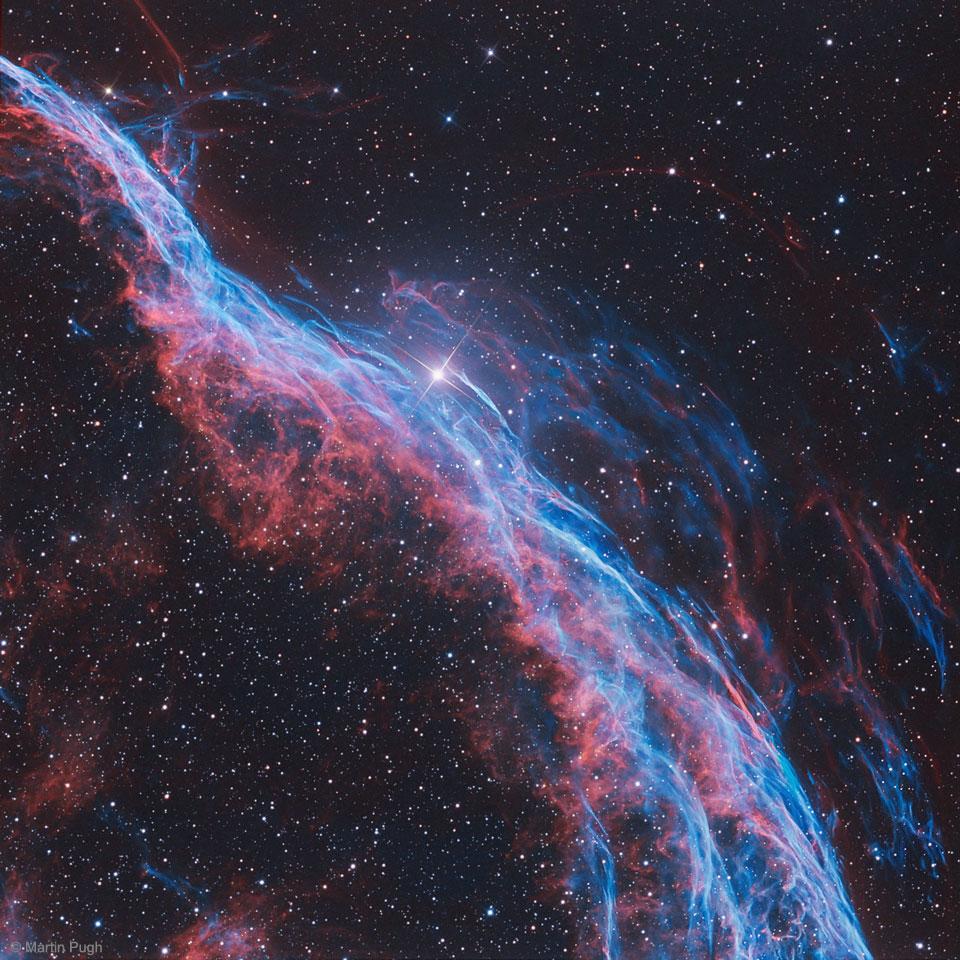
NGC 6960: The Witch’s Broom Nebula
April 08, 2018
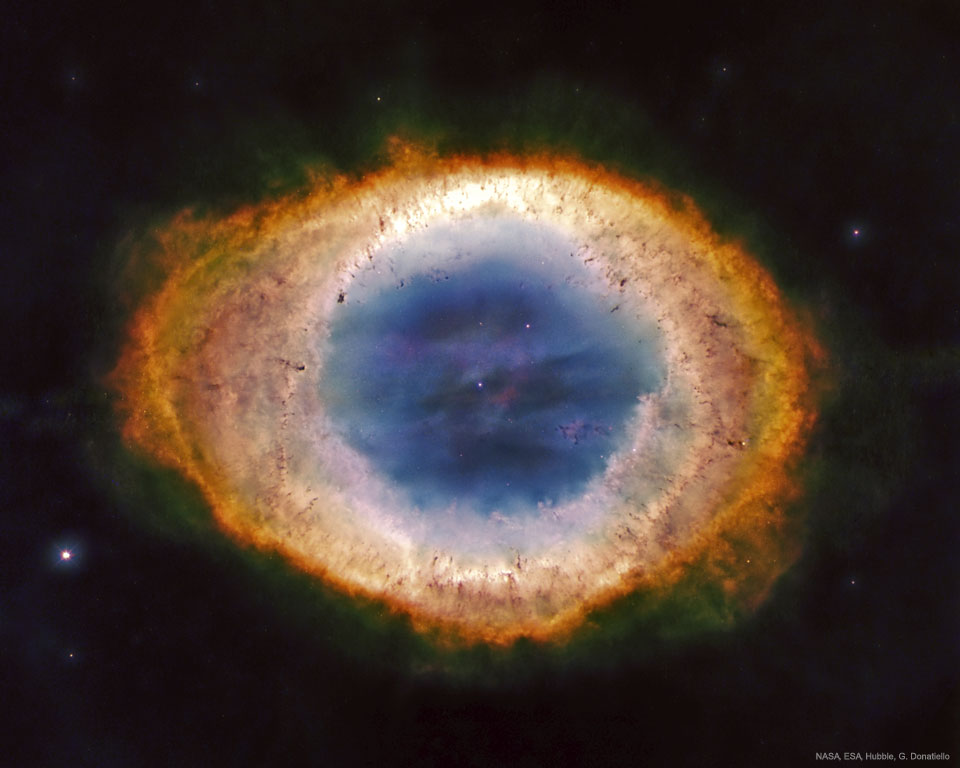
M57: The Ring Nebula
April 17, 2018
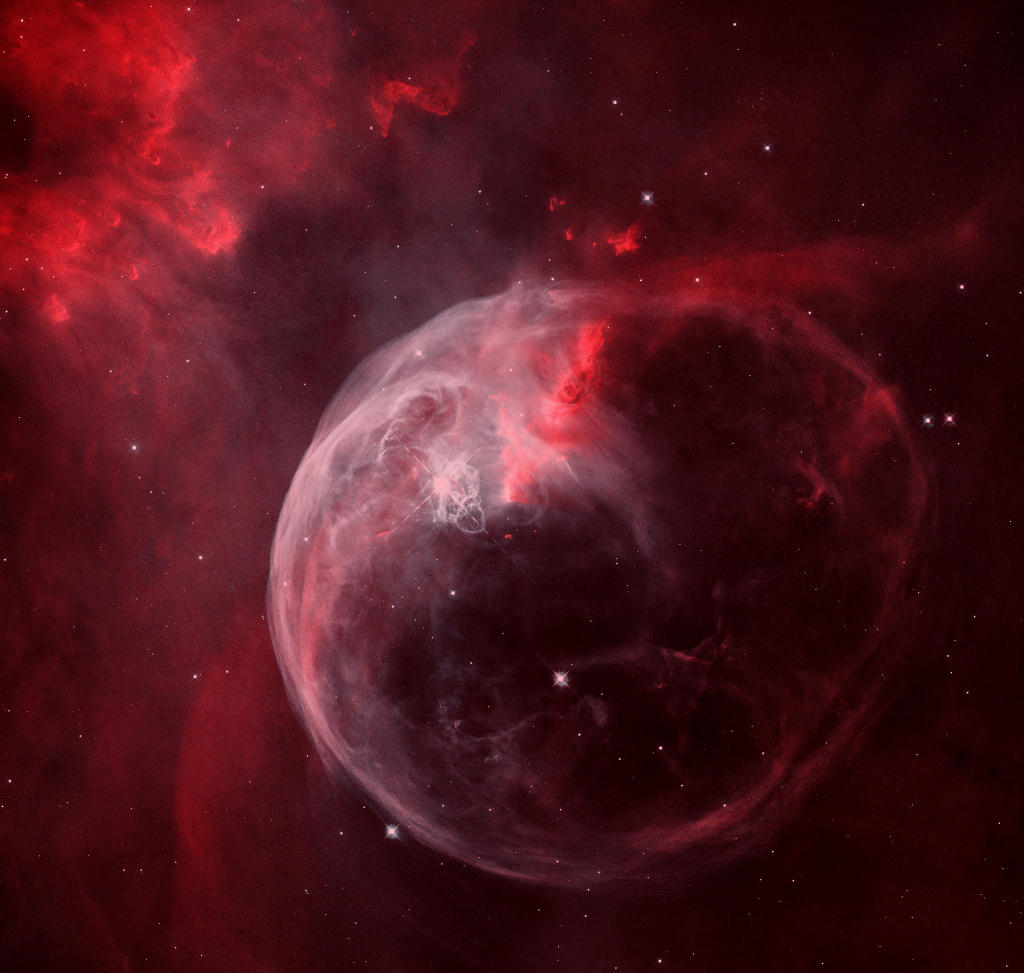
NGC 7635: The Bubble Nebula
April 19, 2018
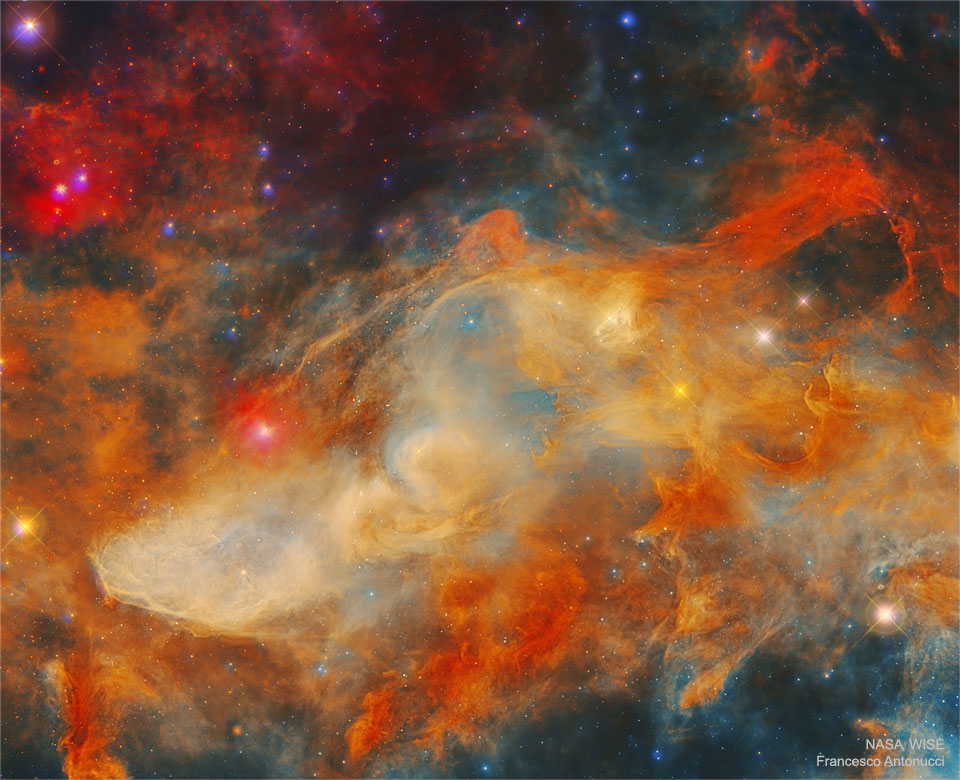
The Blue Horsehead Nebula in Infrared
April 23, 2018
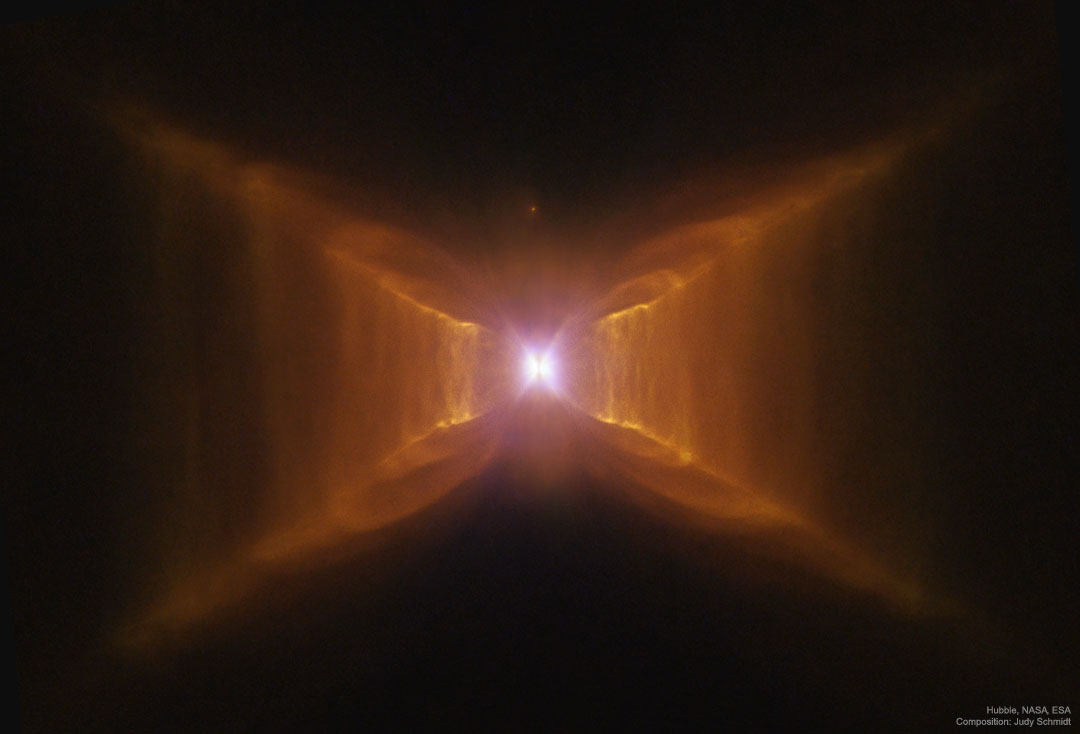
The Red Rectangle Nebula from Hubble
May 09, 2018
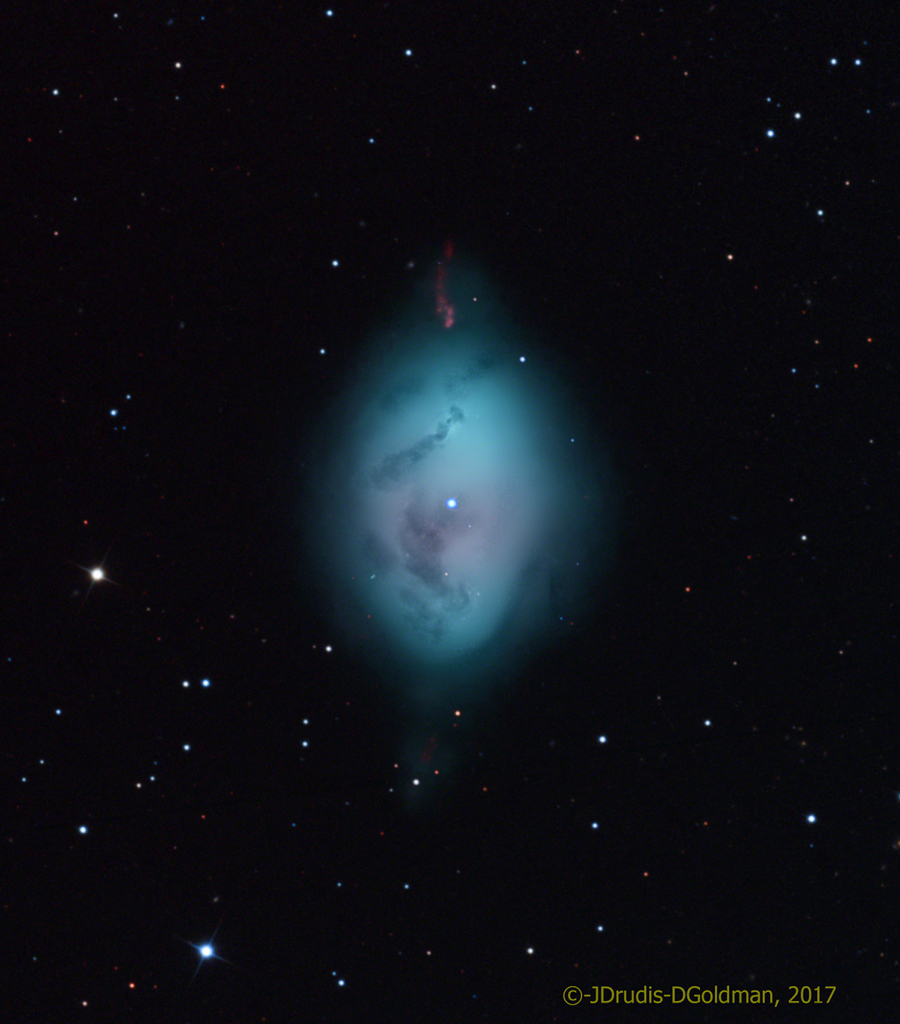
NGC 1360: The Robin’s Egg Nebula
May 11, 2018
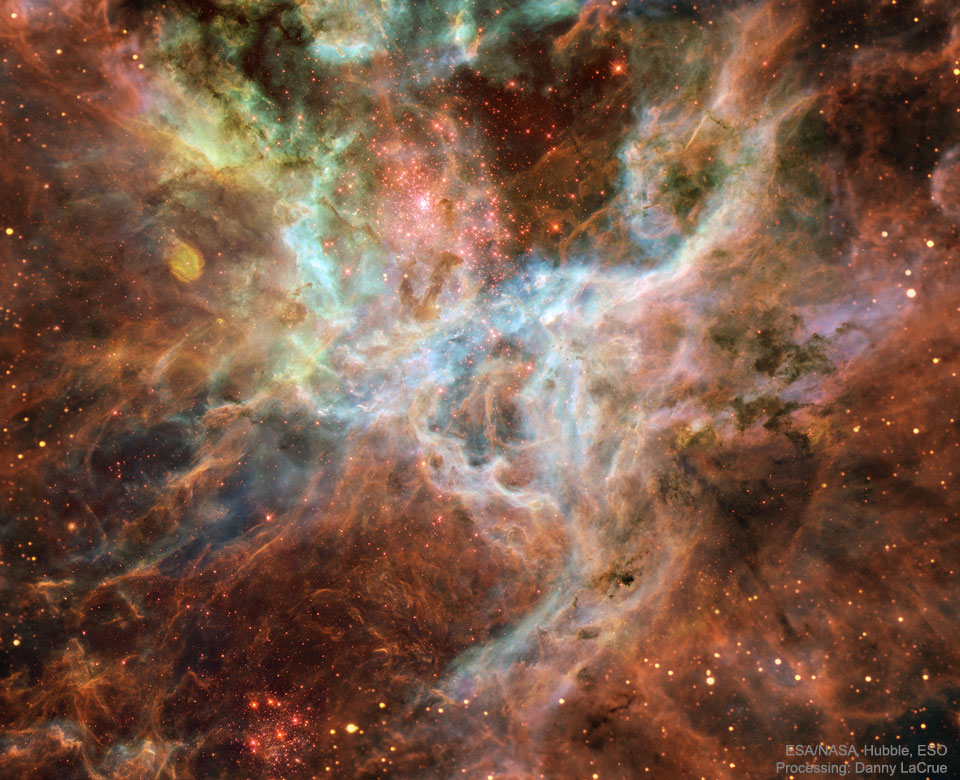
In the Heart of the Tarantula Nebula
May 20, 2018
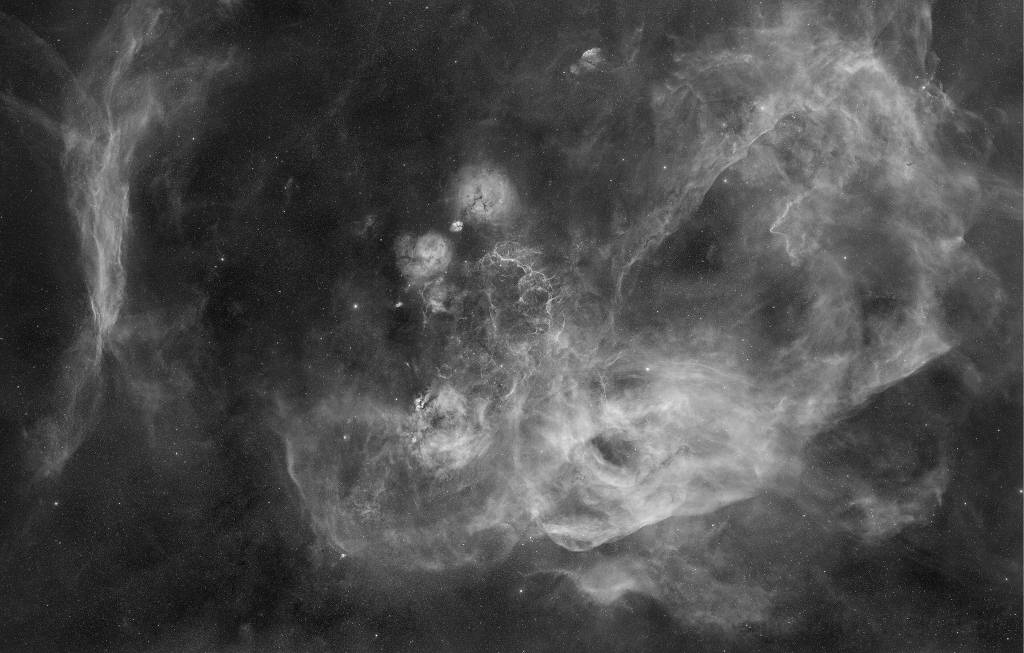
The Gum Nebula Expanse
May 24, 2018
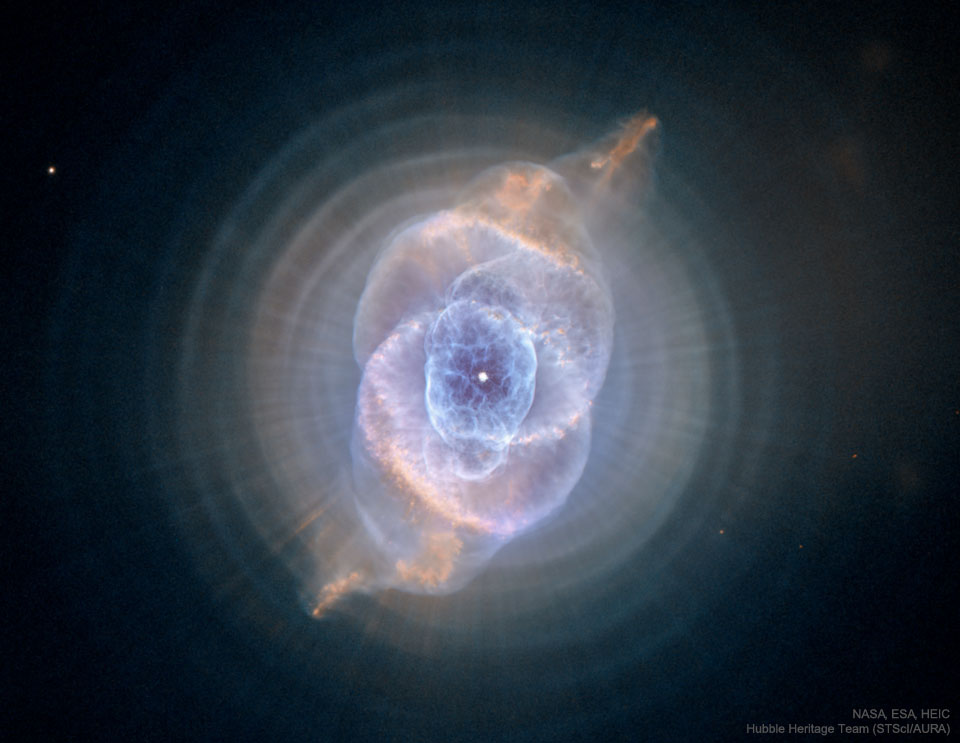
The Cat’s Eye Nebula from Hubble
June 10, 2018
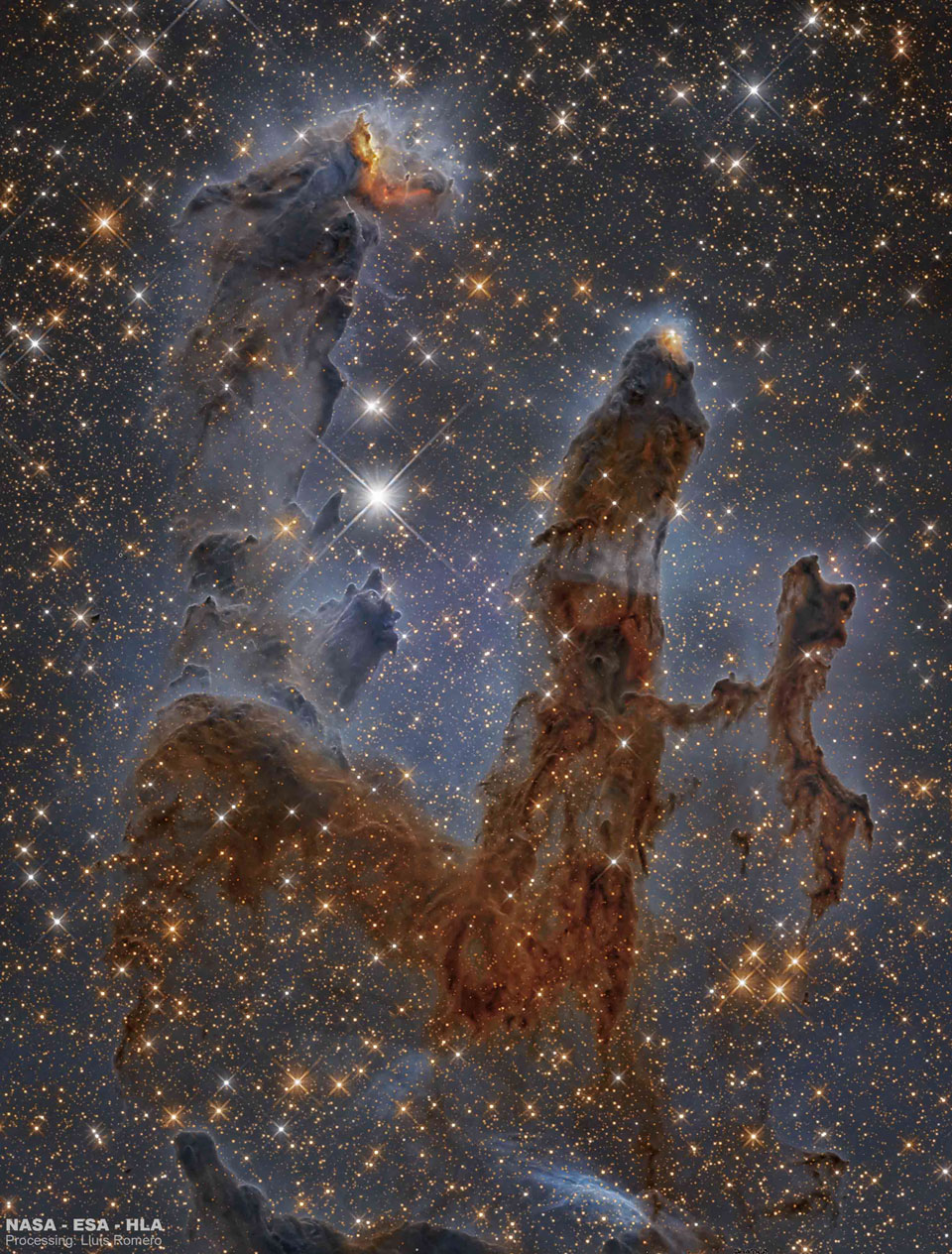
Pillars of the Eagle Nebula in Infrared
June 20, 2018
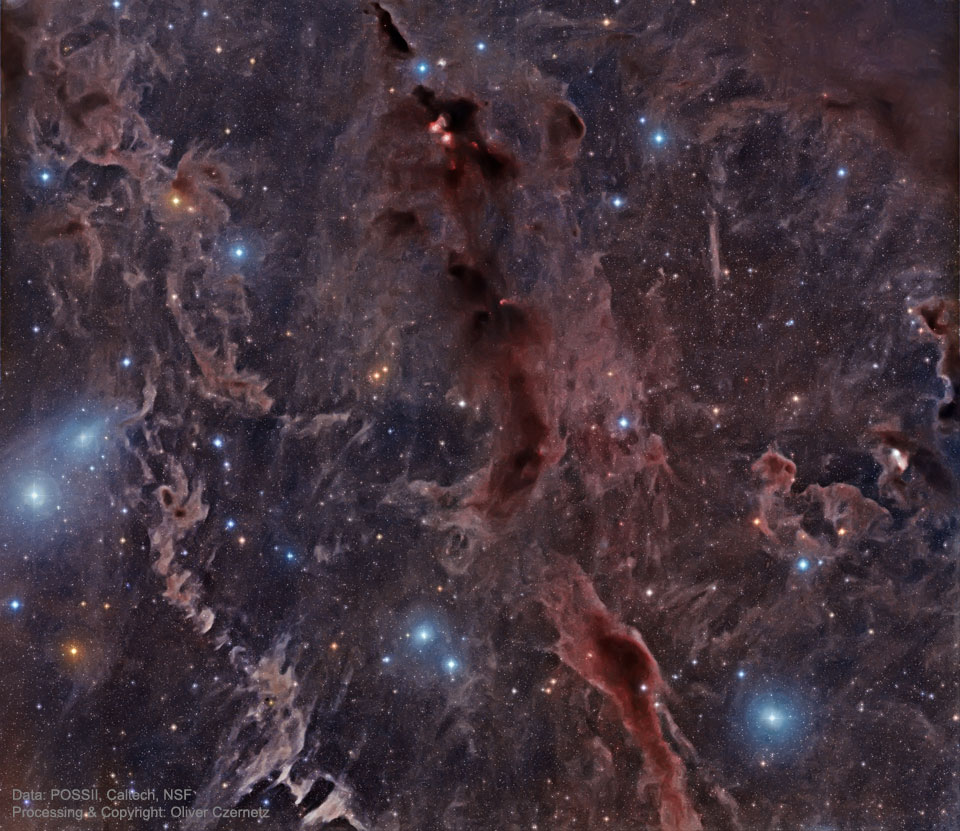
Dark Nebulas across Taurus
June 26, 2018
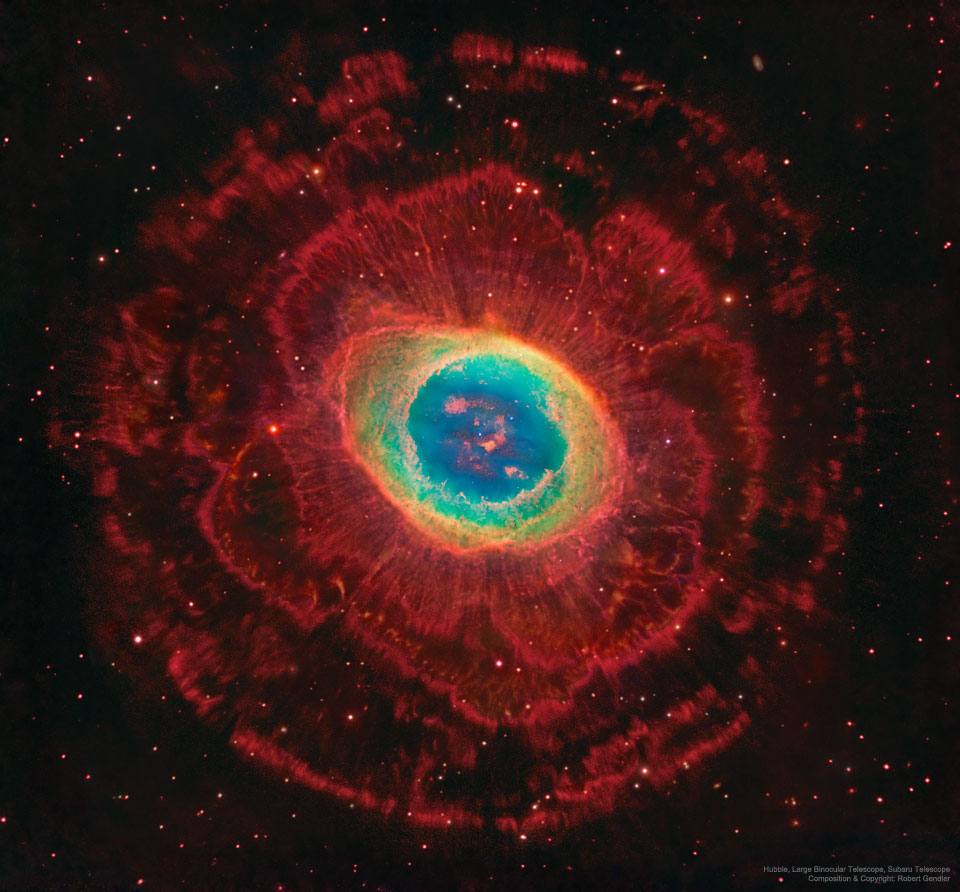
Rings Around the Ring Nebula
July 15, 2018
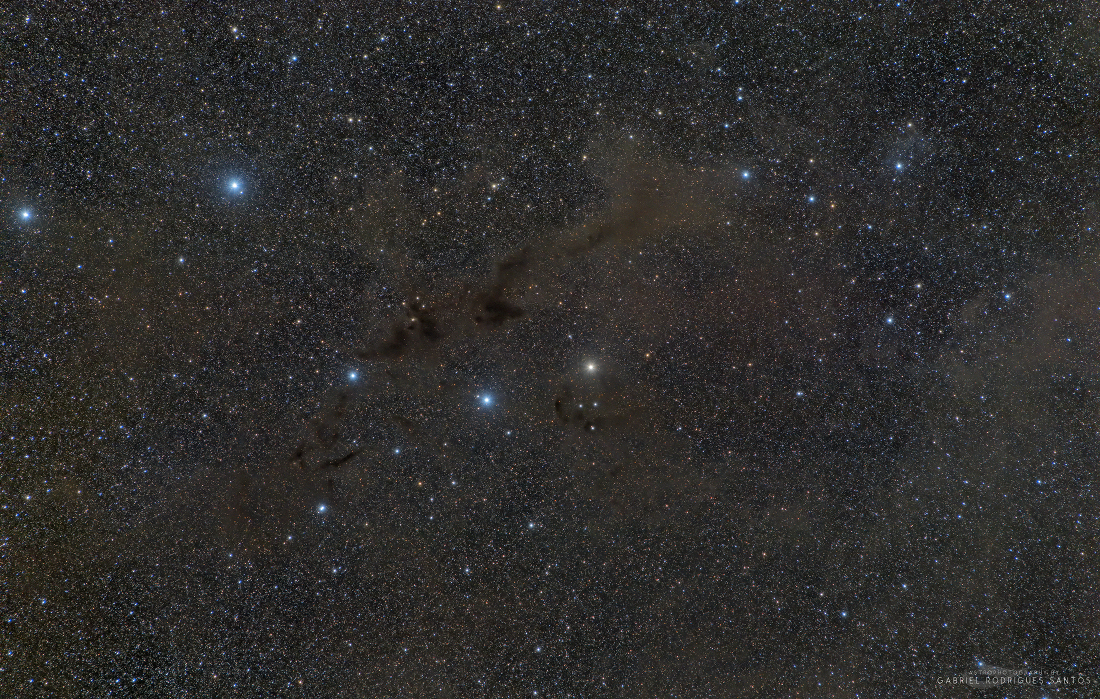
Barnard 228: The Dark Wolf Nebula in Lupus
July 26, 2018
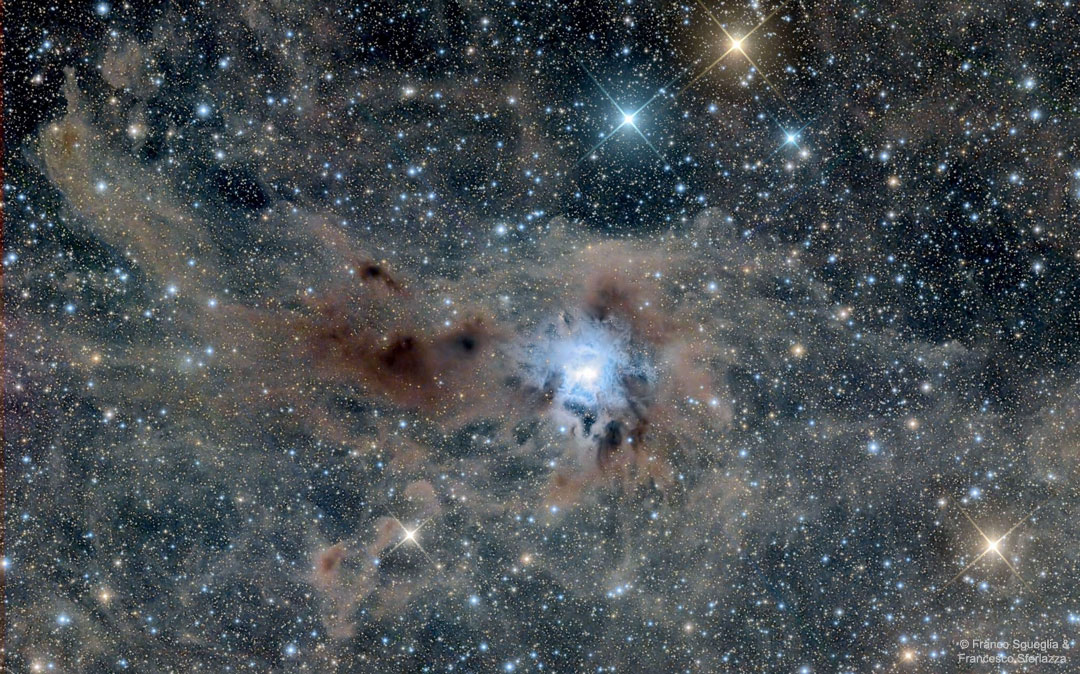
The Iris Nebula in a Field of Dust
August 01, 2018
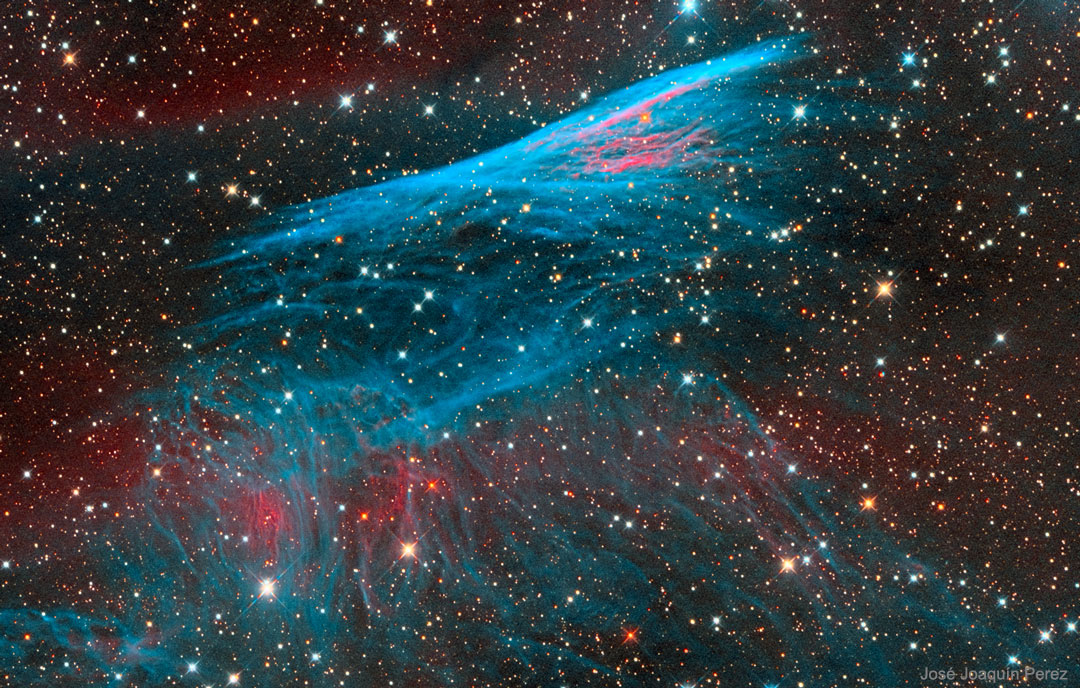
The Pencil Nebula in Red and Blue
August 13, 2018
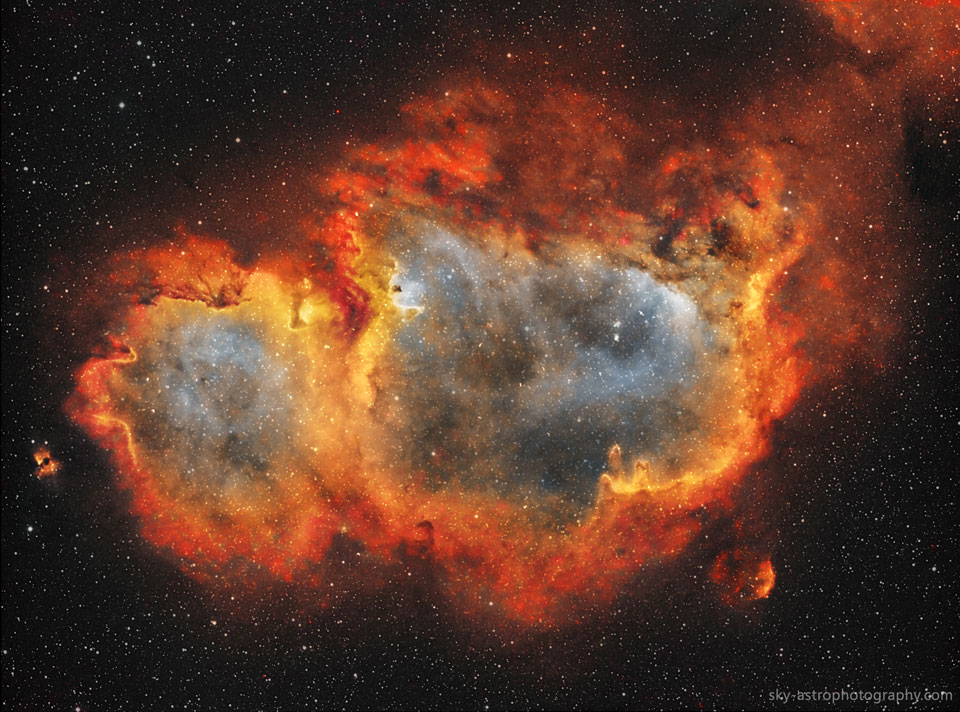
Glowing Elements in the Soul Nebula
August 21, 2018
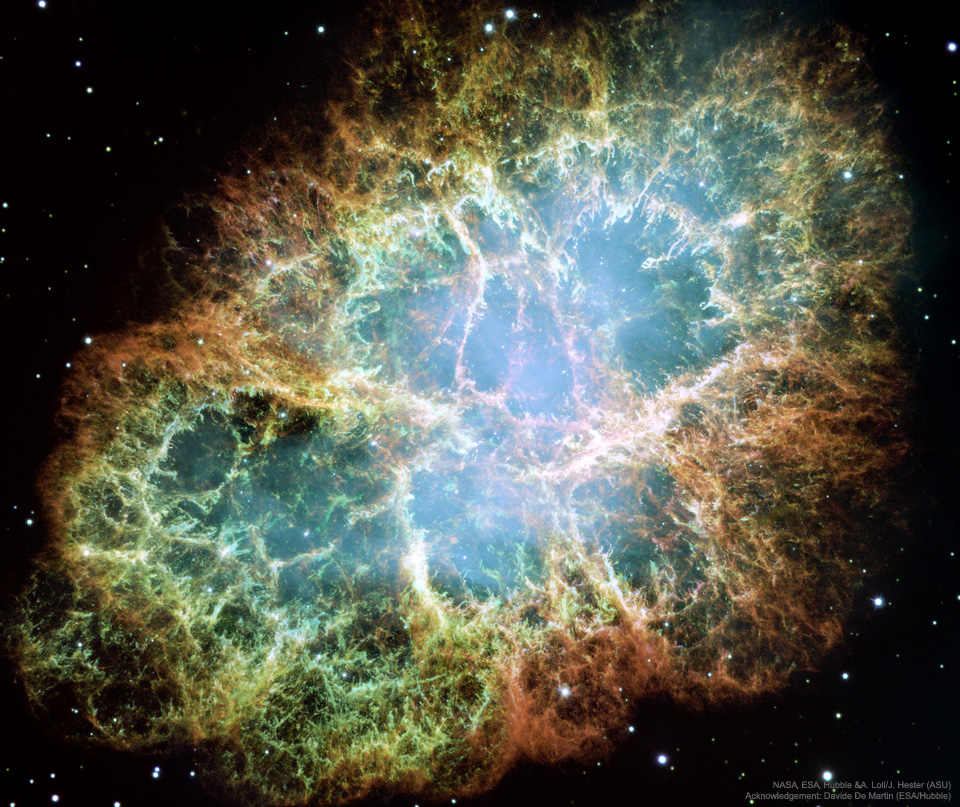
M1: The Crab Nebula from Hubble
September 09, 2018
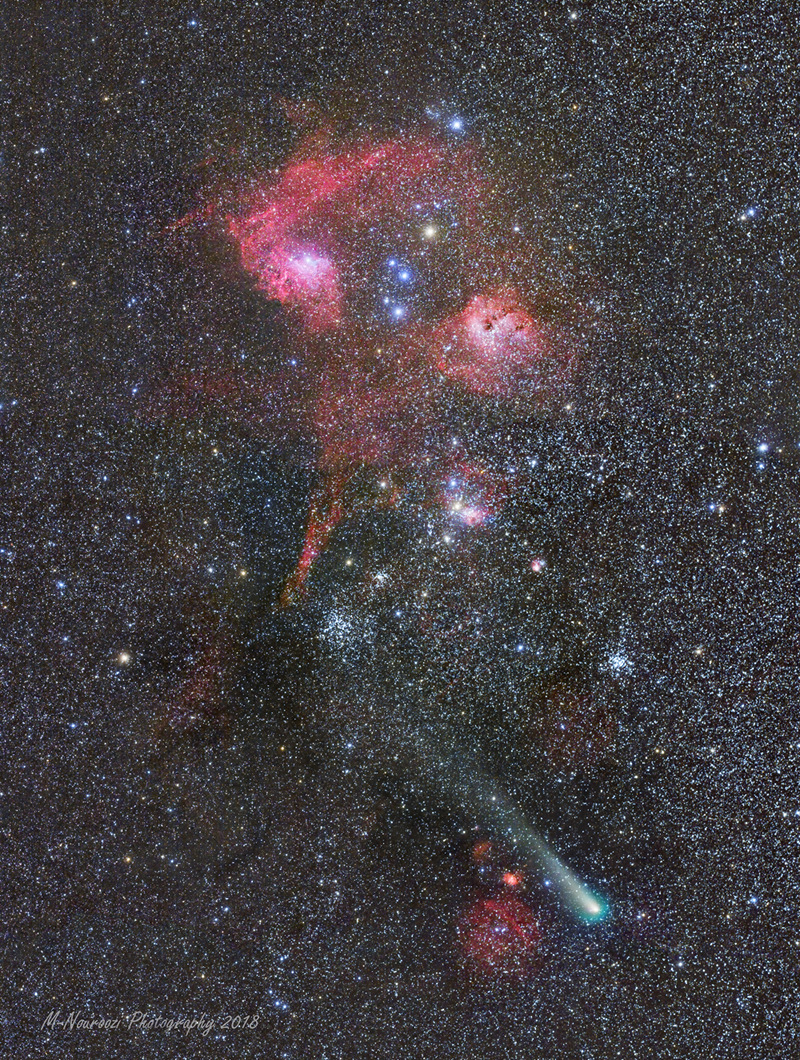
Comet, Clusters and Nebulae
September 13, 2018
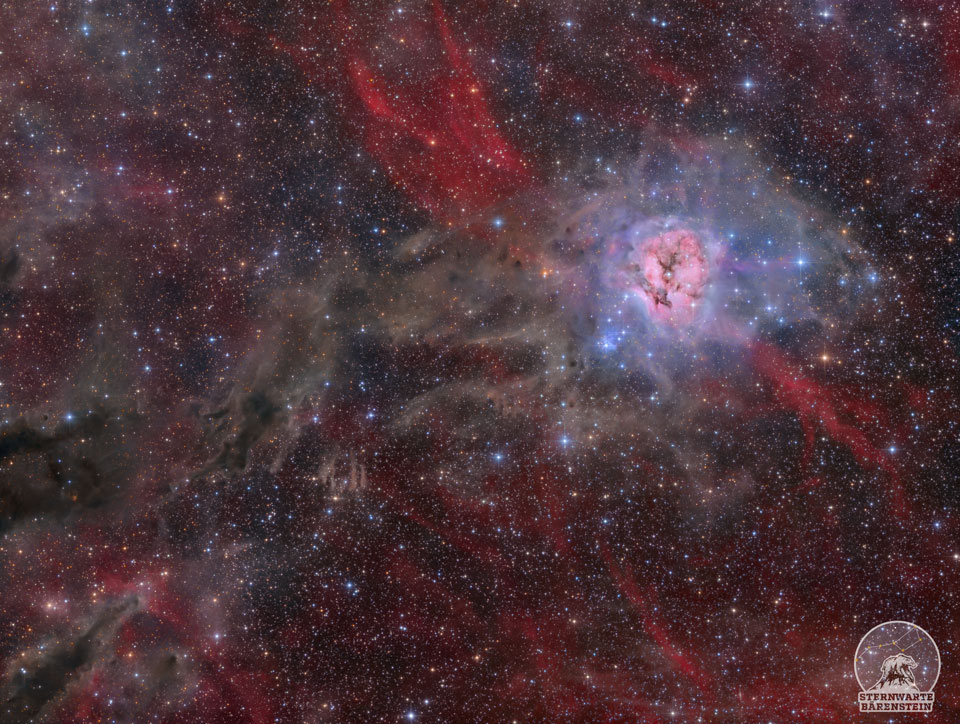
Cocoon Nebula Deep Field
September 19, 2018
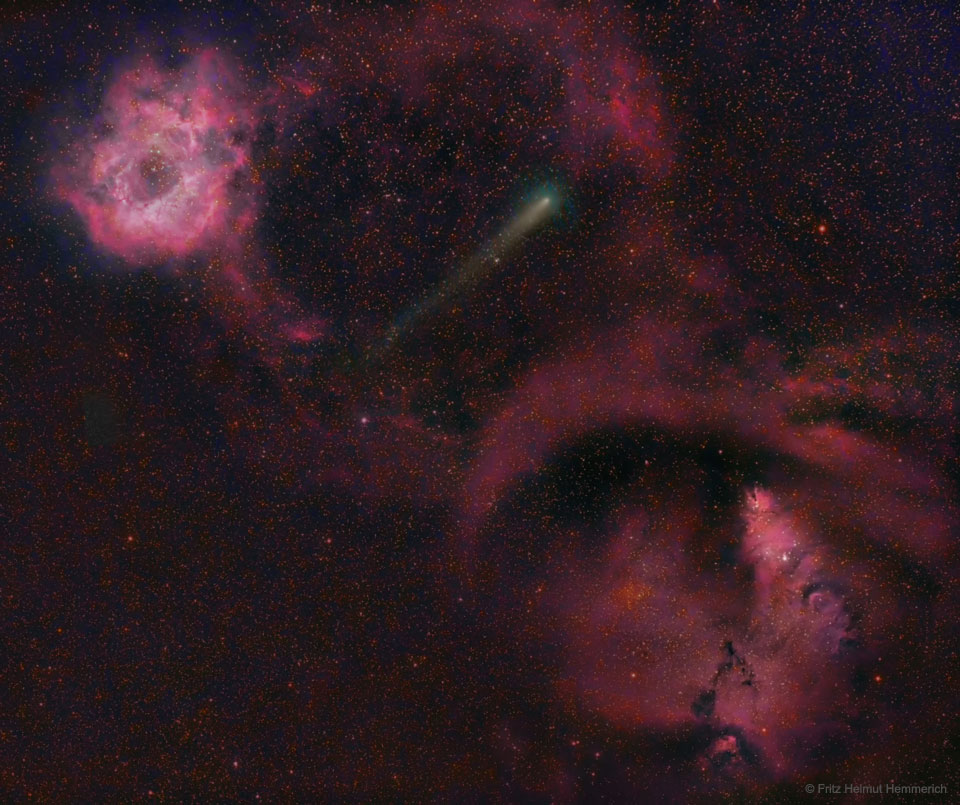
Comet 21P Between Rosette and Cone Nebulas
October 08, 2018
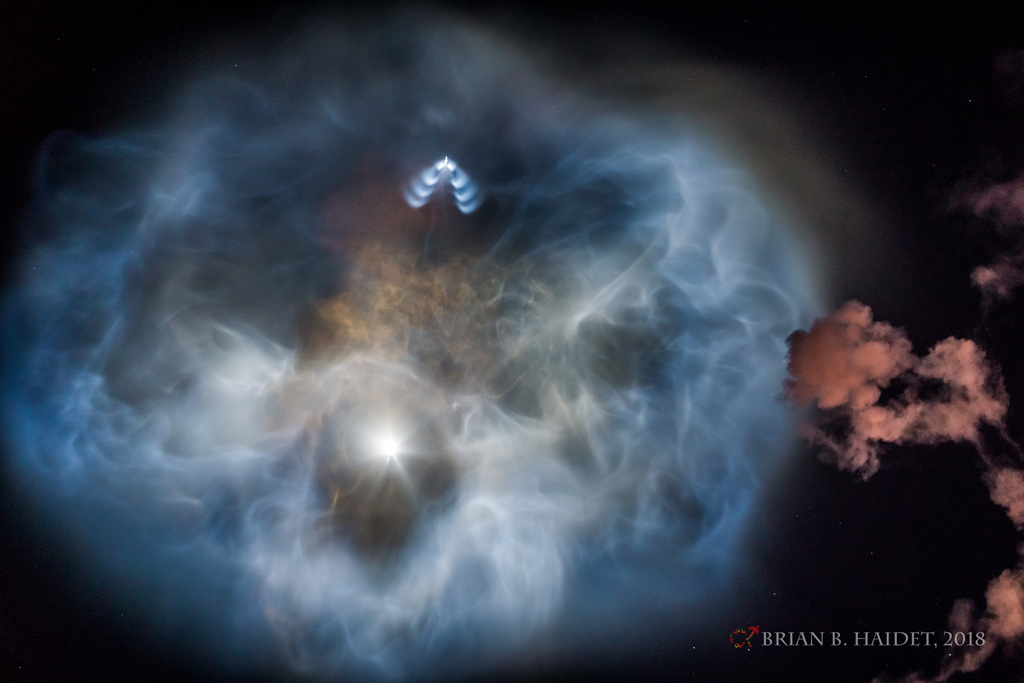
The Falcon 9 Nebula
October 12, 2018
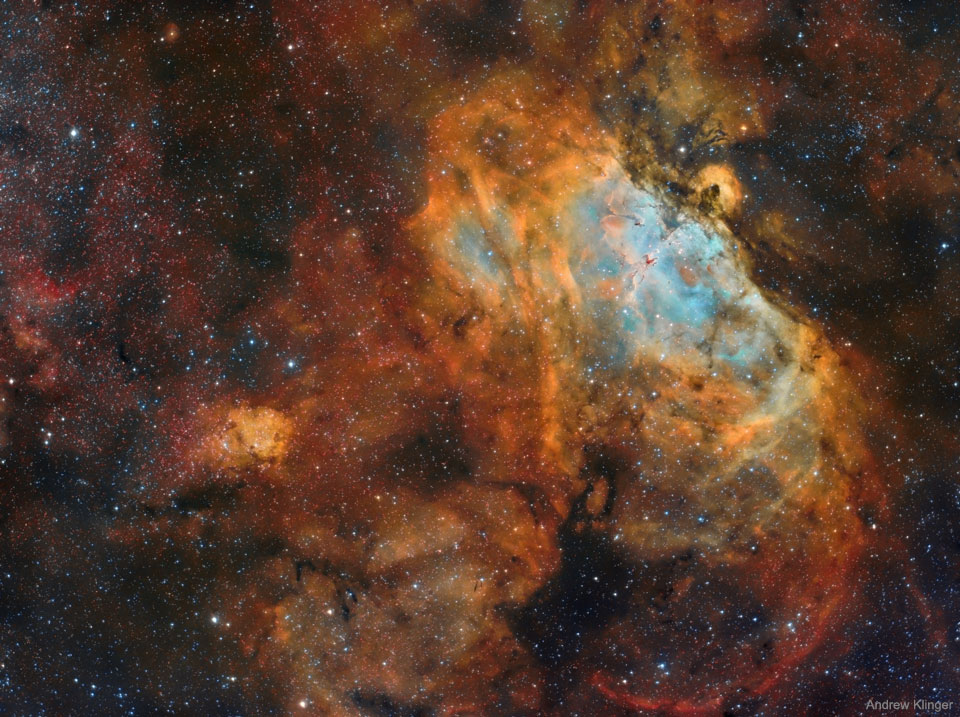
M16: In and Around the Eagle Nebula
October 15, 2018
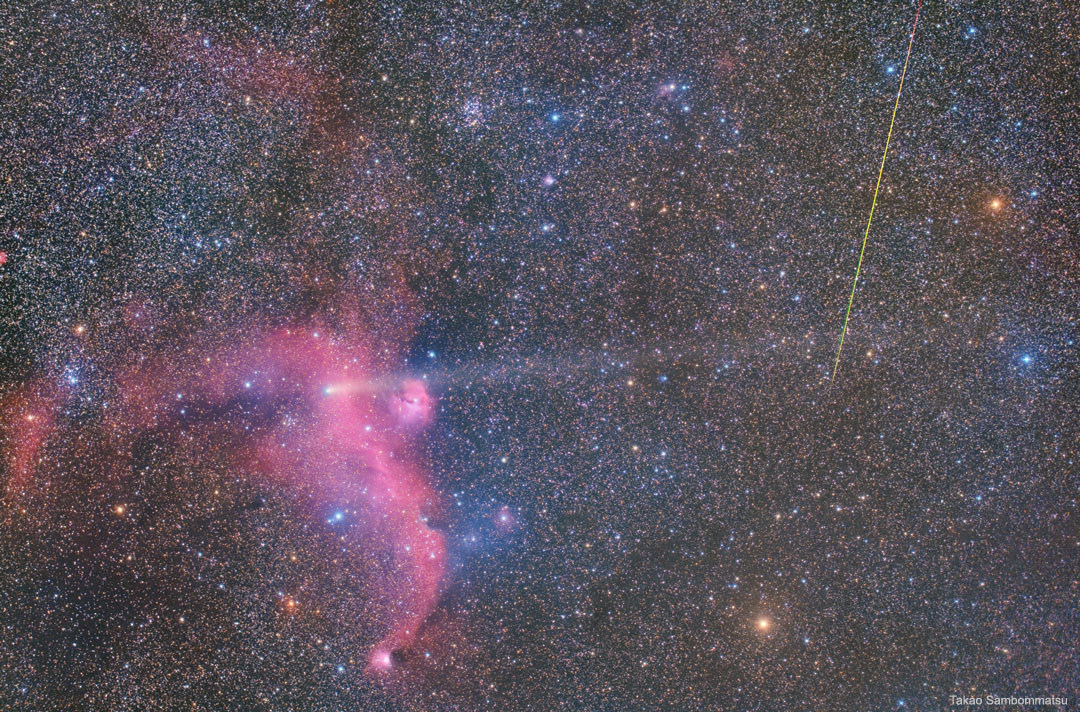
Meteor, Comet, and Seagull (Nebula)
October 21, 2018
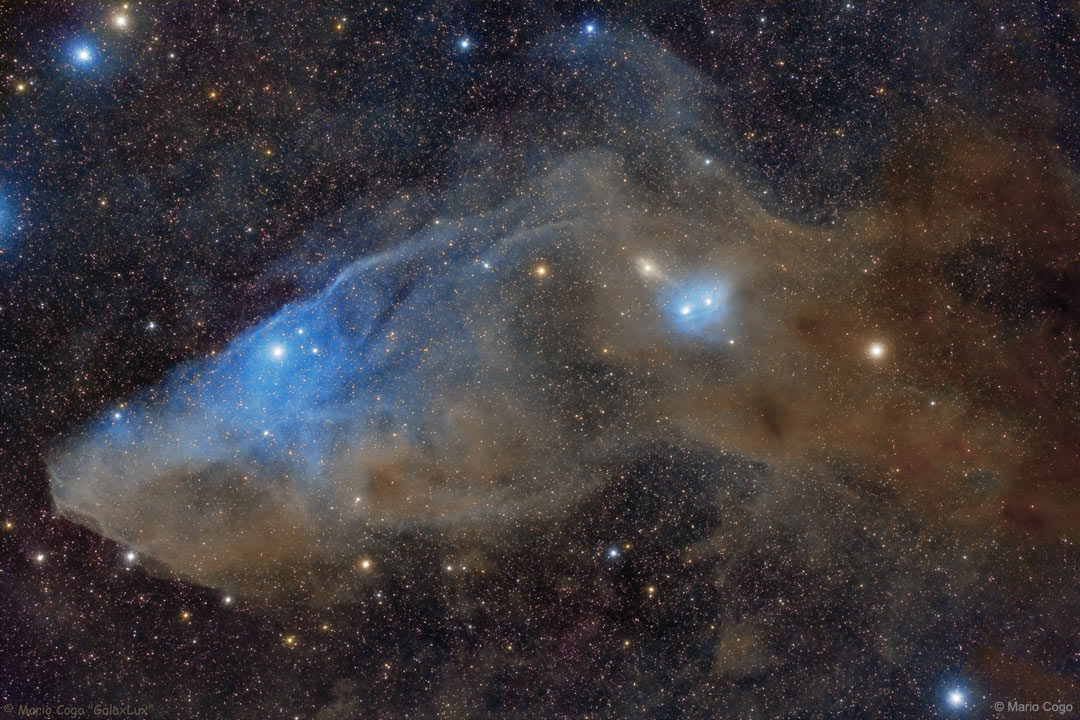
IC 4592: The Blue Horsehead Reflection Nebula
November 05, 2018
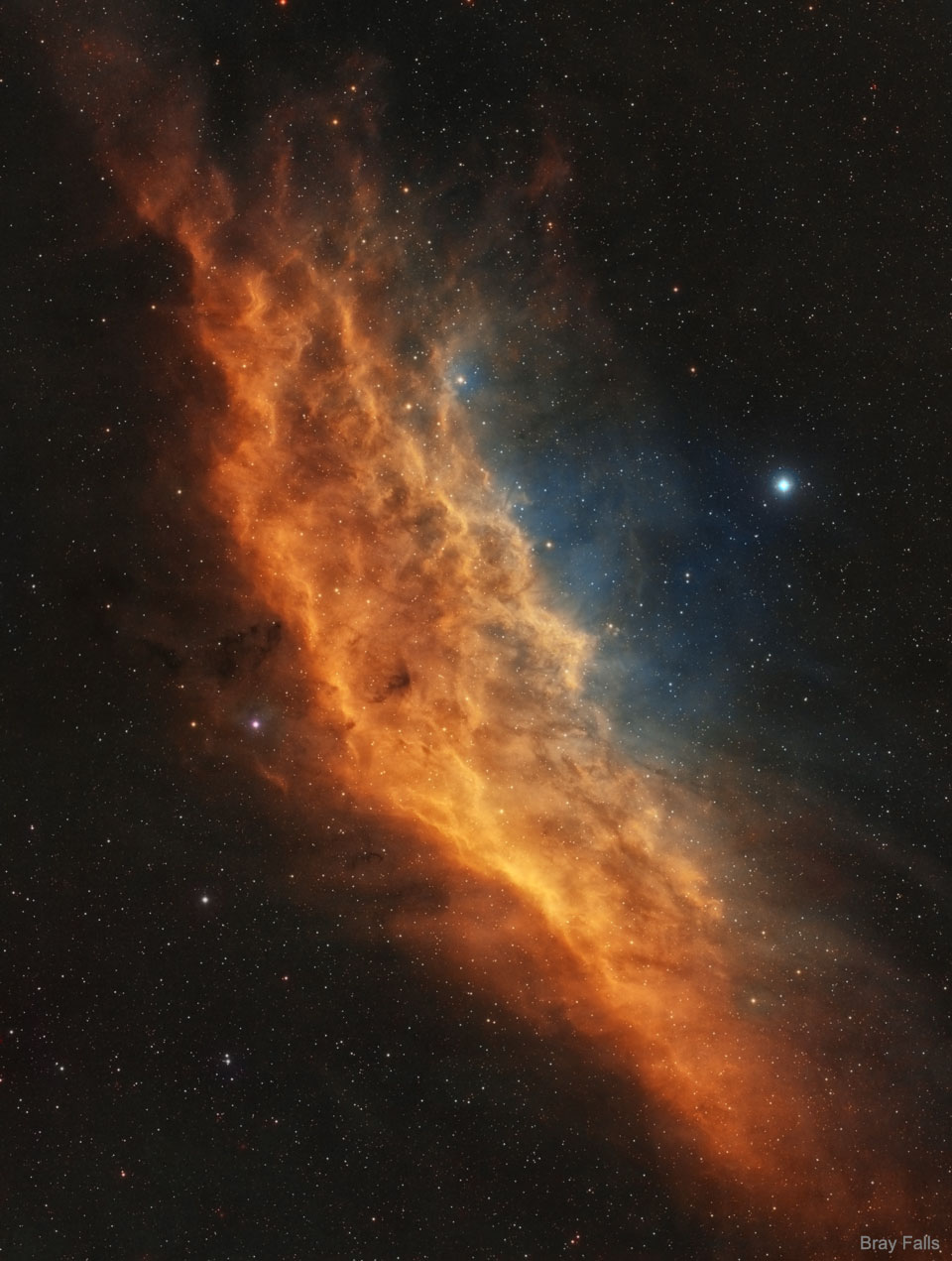
NGC 1499: The California Nebula
November 06, 2018
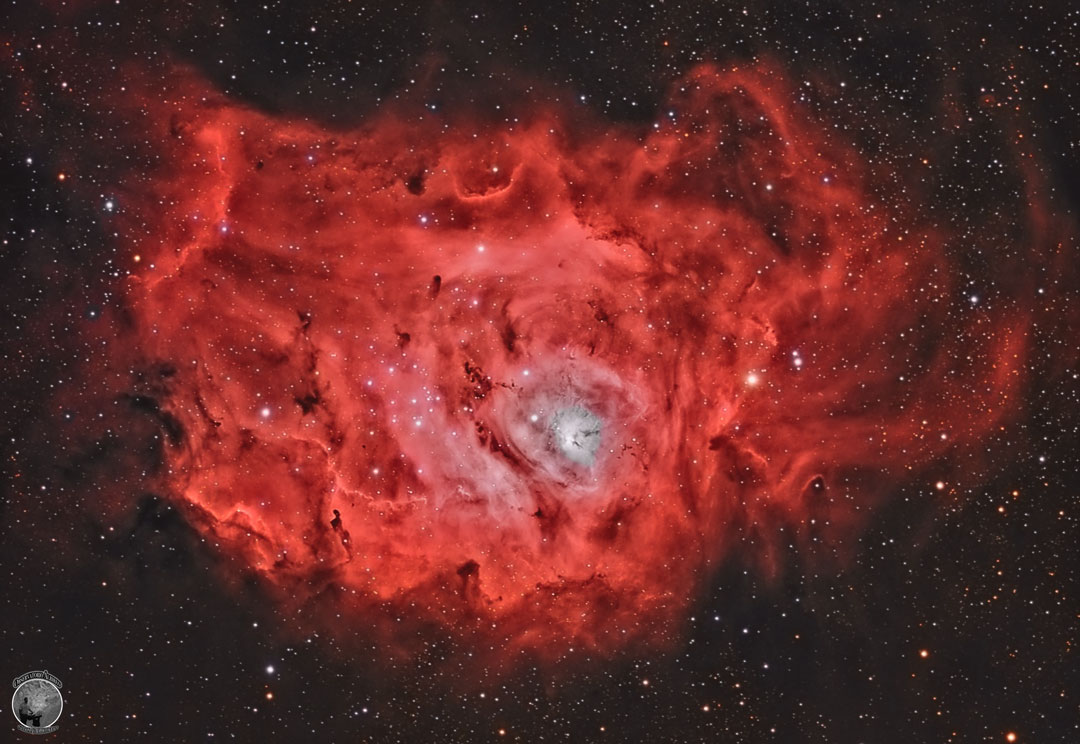
The Lagoon Nebula is Stars, Gas, and Dust
November 12, 2018
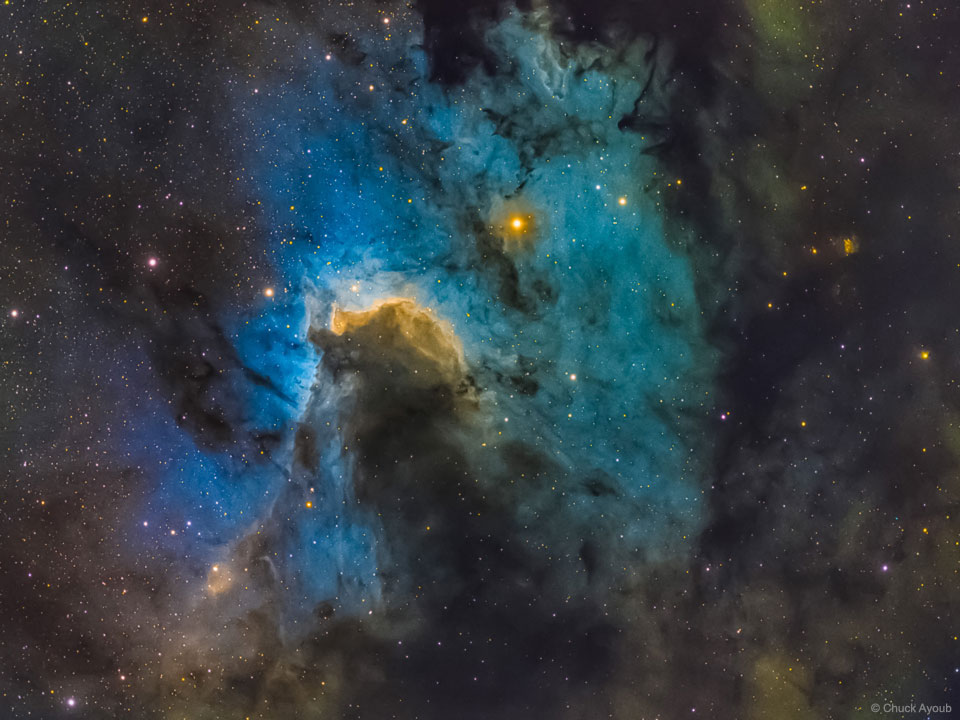
The Cave Nebula in Hydrogen, Oxygen, and Sulfur
November 14, 2018
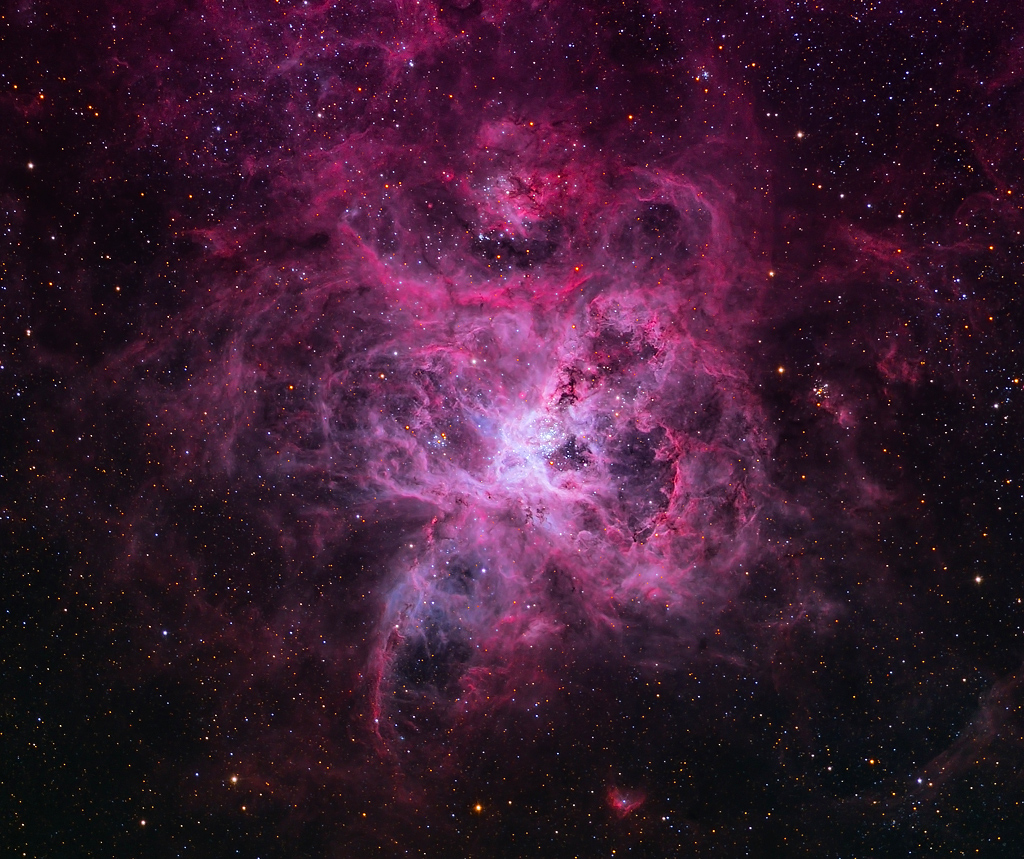
The Tarantula Nebula
November 17, 2018
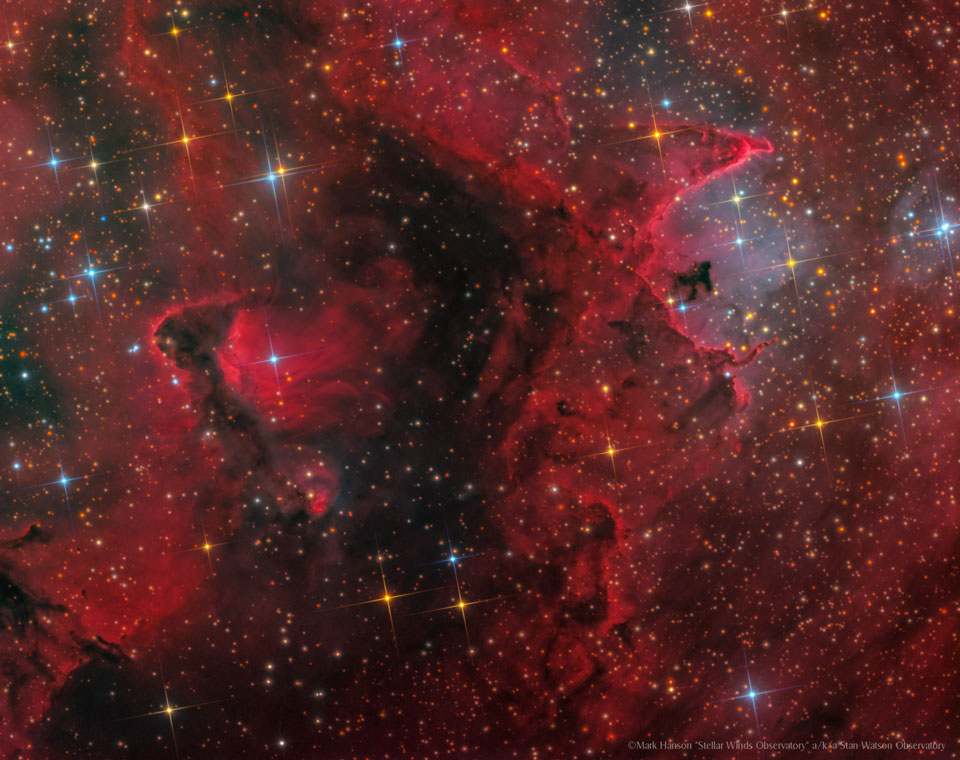
IC 1871: Inside the Soul Nebula
November 28, 2018
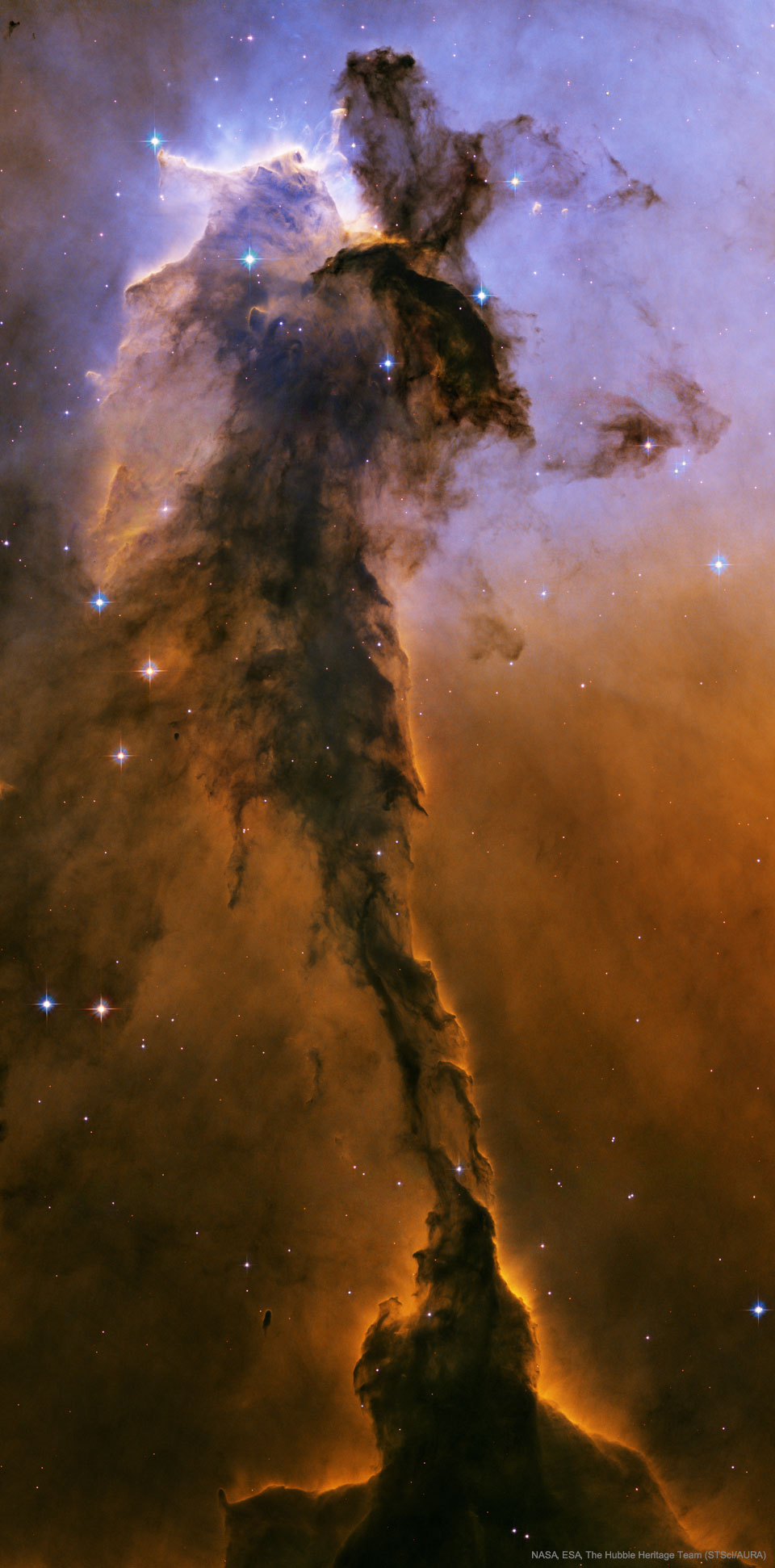
The Fairy of Eagle Nebula
December 02, 2018
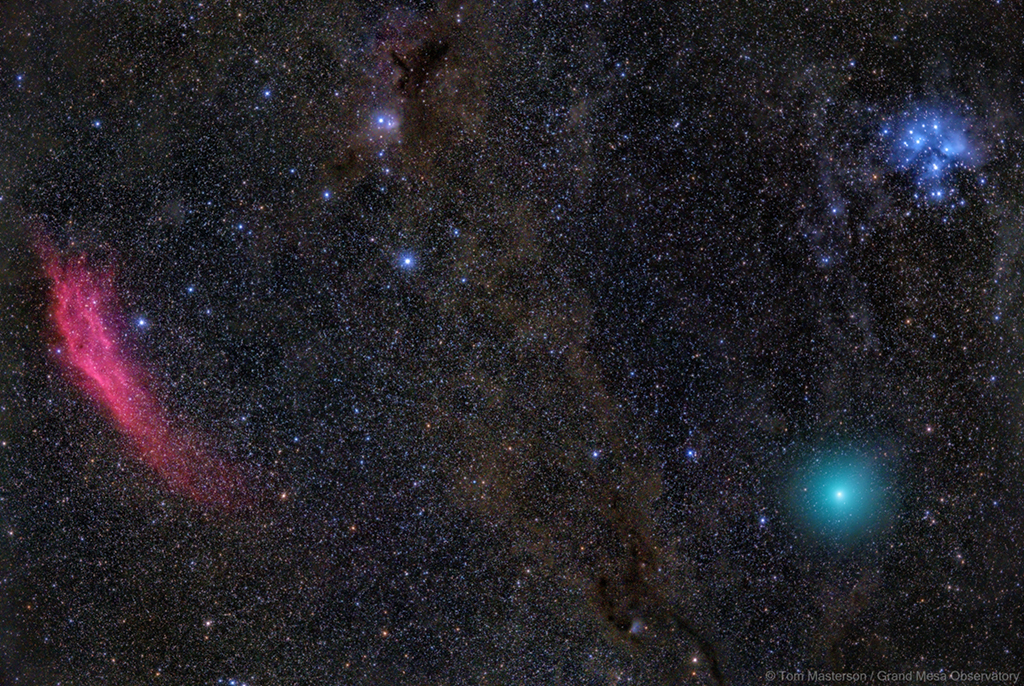
Red Nebula, Green Comet, Blue Stars
December 20, 2018
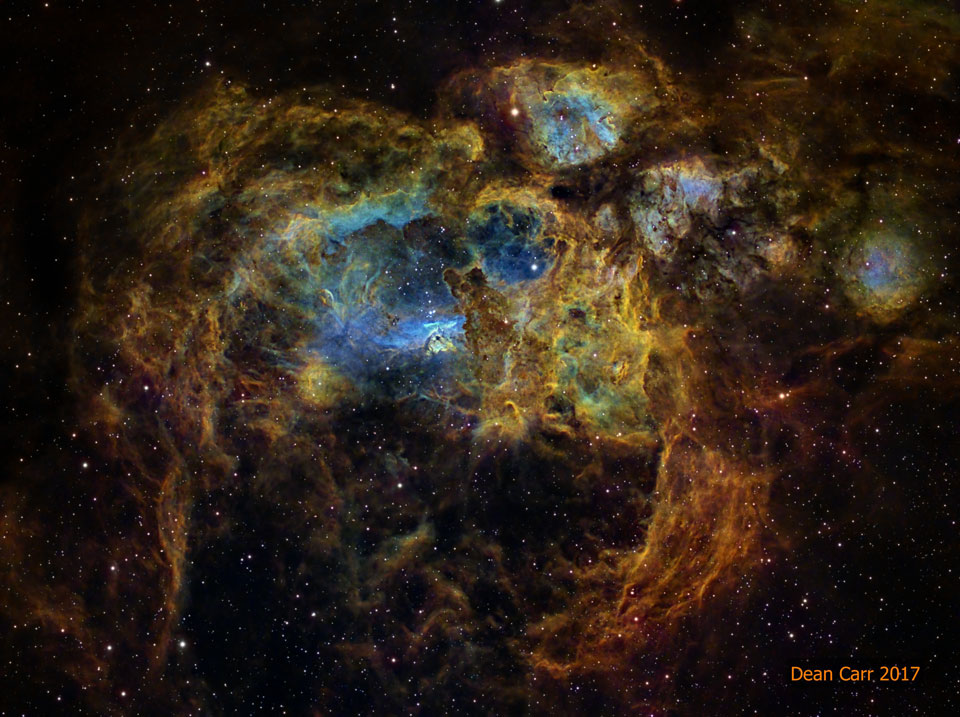
NGC 6357: The Lobster Nebula
December 26, 2018
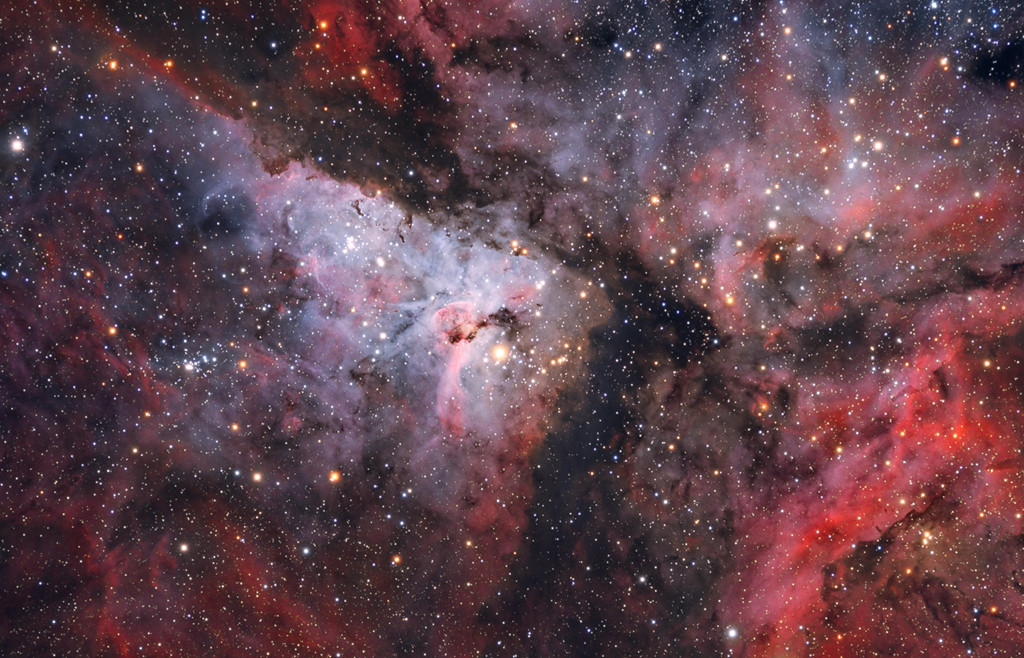
The Great Carina Nebula
December 27, 2018
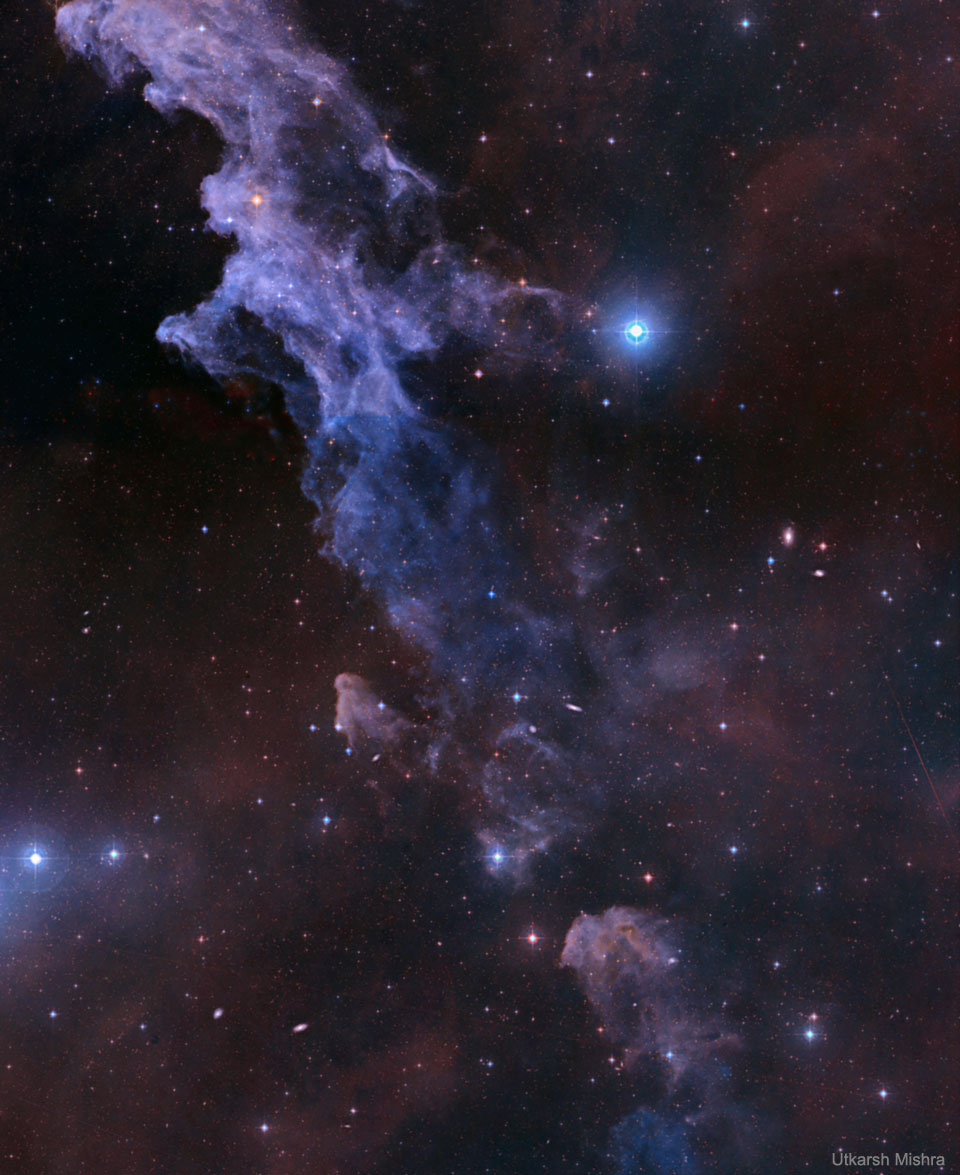
The Witch Head Nebula
December 31, 2018
| Date | Title | URL |
|---|---|---|
| 2018-01-03 | The Helix Nebula from CFHT | https://apod.nasa.gov/apod/image/1801/Helix_CFHT_960.jpg |
| 2018-01-09 | Bright Planetary Nebula NGC 7027 from Hubble | https://apod.nasa.gov/apod/image/1801/NGC7027_HubbleSchmidt_960.jpg |
| 2018-01-15 | Rigel and the Witch Head Nebula | https://apod.nasa.gov/apod/image/1801/Witchhead_Cogo_960.jpg |
| 2018-02-05 | NGC 7635: The Bubble Nebula Expanding | https://apod.nasa.gov/apod/image/1802/Bubble_LiverpoolNilsson_960.jpg |
| 2018-02-14 | In the Heart of the Heart Nebula | https://apod.nasa.gov/apod/image/1802/HeartBiColor_Erickson_960.jpg |
| 2018-02-18 | LL Ori and the Orion Nebula | https://apod.nasa.gov/apod/image/1802/LLOri_hubble_960.jpg |
| 2018-02-25 | AE Aurigae and the Flaming Star Nebula | https://apod.nasa.gov/apod/image/1802/flamingstar_pugh_960.jpg |
| 2018-03-23 | Sharpless 249 and the Jellyfish Nebula | https://apod.nasa.gov/apod/image/1803/IC443_HaRGB1024.jpg |
| 2018-03-27 | Mars Between Nebulas | https://apod.nasa.gov/apod/image/1803/MarsLagoonTrifid_Voltmer_960.jpg |
| 2018-04-08 | NGC 6960: The Witch’s Broom Nebula | https://apod.nasa.gov/apod/image/1804/ngc6960_Pugh_960.jpg |
| 2018-04-17 | M57: The Ring Nebula | https://apod.nasa.gov/apod/image/1804/Ring_HubbleDonatiello_960.jpg |
| 2018-04-19 | NGC 7635: The Bubble Nebula | https://apod.nasa.gov/apod/image/1804/BubbleNebHST_kakitsev1024.jpg |
| 2018-04-23 | The Blue Horsehead Nebula in Infrared | https://apod.nasa.gov/apod/image/1804/IC4592_WiseAntonucciR_960.jpg |
| 2018-05-09 | The Red Rectangle Nebula from Hubble | https://apod.nasa.gov/apod/image/1805/RedRectangle_HubbleSchmidt_1080.jpg |
| 2018-05-11 | NGC 1360: The Robin’s Egg Nebula | https://apod.nasa.gov/apod/image/1805/NGC1360-Final5D-Cc2_c1024.jpg |
| 2018-05-20 | In the Heart of the Tarantula Nebula | https://apod.nasa.gov/apod/image/1805/Tarantula_HubbleLacrue_960.jpg |
| 2018-05-24 | The Gum Nebula Expanse | https://apod.nasa.gov/apod/image/1805/GumExpanseGleason1024.jpg |
| 2018-06-10 | The Cat’s Eye Nebula from Hubble | https://apod.nasa.gov/apod/image/1806/catseye4_hubble_960.jpg |
| 2018-06-20 | Pillars of the Eagle Nebula in Infrared | https://apod.nasa.gov/apod/image/1806/M16Ir_HubbleRomero_960.jpg |
| 2018-06-26 | Dark Nebulas across Taurus | https://apod.nasa.gov/apod/image/1806/DarkNebulas_POSS2Czernetz_960.jpg |
| 2018-07-15 | Rings Around the Ring Nebula | https://apod.nasa.gov/apod/image/1807/M57Ring_HubbleGendler_960.jpg |
| 2018-07-26 | Barnard 228: The Dark Wolf Nebula in Lupus | https://apod.nasa.gov/apod/image/1807/B228_2018-07-07Santos1100.jpg |
| 2018-08-01 | The Iris Nebula in a Field of Dust | https://apod.nasa.gov/apod/image/1808/IrisNebula_Sgueglia_1080.jpg |
| 2018-08-13 | The Pencil Nebula in Red and Blue | https://apod.nasa.gov/apod/image/1808/PencilNebula_Perez_1080.jpg |
| 2018-08-21 | Glowing Elements in the Soul Nebula | https://apod.nasa.gov/apod/image/1808/SoulNebula_Vargas_960.jpg |
| 2018-09-09 | M1: The Crab Nebula from Hubble | https://apod.nasa.gov/apod/image/1809/CrabNebula_Hubble_960.jpg |
| 2018-09-13 | Comet, Clusters and Nebulae | https://apod.nasa.gov/apod/image/1809/Comet-21p-Giacobini-Zinner1060.jpg |
| 2018-09-19 | Cocoon Nebula Deep Field | https://apod.nasa.gov/apod/image/1809/Cocoon_Drechsler_960.jpg |
| 2018-10-08 | Comet 21P Between Rosette and Cone Nebulas | https://apod.nasa.gov/apod/image/1810/Comet21P_Hemmerich_960.jpg |
| 2018-10-12 | The Falcon 9 Nebula | https://apod.nasa.gov/apod/image/1810/DSC08399-LrOut-Haidet1024.jpg |
| 2018-10-15 | M16: In and Around the Eagle Nebula | https://apod.nasa.gov/apod/image/1810/M16_Klinger_960.jpg |
| 2018-10-21 | Meteor, Comet, and Seagull (Nebula) | https://apod.nasa.gov/apod/image/1810/CometMeteorNebula_TSam_1080.jpg |
| 2018-11-05 | IC 4592: The Blue Horsehead Reflection Nebula | https://apod.nasa.gov/apod/image/1811/BlueHorsehead_Cogo_1080.jpg |
| 2018-11-06 | NGC 1499: The California Nebula | https://apod.nasa.gov/apod/image/1811/CaliforniaNebula_Falls_960.jpg |
| 2018-11-12 | The Lagoon Nebula is Stars, Gas, and Dust | https://apod.nasa.gov/apod/image/1811/Lagoon_Ortega_1080.jpg |
| 2018-11-14 | The Cave Nebula in Hydrogen, Oxygen, and Sulfur | https://apod.nasa.gov/apod/image/1811/CaveNebula_Ayoub_960.jpg |
| 2018-11-17 | The Tarantula Nebula | https://apod.nasa.gov/apod/image/1811/ward30DoradusHaLRGB1024.jpg |
| 2018-11-28 | IC 1871: Inside the Soul Nebula | https://apod.nasa.gov/apod/image/1811/IC1871_Hanson_960.jpg |
| 2018-12-02 | The Fairy of Eagle Nebula | https://apod.nasa.gov/apod/image/1812/FairyPillar_Hubble_960.jpg |
| 2018-12-20 | Red Nebula, Green Comet, Blue Stars | https://apod.nasa.gov/apod/image/1812/M45-CaliNeb-46P-TomMasterson-GrandMesaObservatory1024.jpg |
| 2018-12-26 | NGC 6357: The Lobster Nebula | https://apod.nasa.gov/apod/image/1812/Lobster_Carr_960.jpg |
| 2018-12-27 | The Great Carina Nebula | https://apod.nasa.gov/apod/image/1812/CarinaNebulaGerminiani1024.jpg |
| 2018-12-31 | The Witch Head Nebula | https://apod.nasa.gov/apod/image/1812/WitchHeadNebula_Mishra_960.jpg |
The Helix Nebula from CFHT
Date: January 03, 2018
Description: Will our Sun look like this one day? The Helix Nebula is one of brightest and closest examples of a planetary nebula, a gas cloud created at the end of the life of a Sun-like star. The outer gasses of the star expelled into space appear from our vantage point as if we are looking down a helix. The remnant central stellar core, destined to become a white dwarf star, glows in light so energetic …
Bright Planetary Nebula NGC 7027 from Hubble
Date: January 09, 2018
Description: It is one of the brightest planetary nebulae on the sky – what should it be named? First discovered in 1878, nebula NGC 7027 can be seen toward the constellation of the Swan (Cygnus) with a standard backyard telescope. Partly because it appears there as only an indistinct spot, it is rarely referred to with a moniker. When imaged with the Earth-orbiting Hubble Space Telescope, however, great d…
Rigel and the Witch Head Nebula
Date: January 15, 2018
Description: By starlight this eerie visage shines in the dark, a crooked profile evoking its popular name, the Witch Head Nebula. In fact, this entrancing telescopic portrait gives the impression that the witch has fixed her gaze on Orion’s bright supergiant star Rigel. More formally known as IC 2118, the Witch Head Nebula spans about 50 light-years and is composed of interstellar dust grains reflecting Ri…
Copyright: Mario Cogo (Galax Lux)
NGC 7635: The Bubble Nebula Expanding
Date: February 05, 2018
Description: It’s the bubble versus the cloud. NGC 7635, the Bubble Nebula, is being pushed out by the stellar wind of massive star BD+602522, visible in blue toward the right, inside the nebula. Next door, though, lives a giant molecular cloud, visible to the far right in red. At this place in space, an irresistible force meets an immovable object in an interesting way. The cloud is able to contain the exp…
In the Heart of the Heart Nebula
Date: February 14, 2018
Description: What’s that inside the Heart Nebula? First, the large emission nebula dubbed IC 1805 looks, in whole, like a human heart. It’s shape perhaps fitting of the Valentine’s Day, this heart glows brightly in red light emitted by its most prominent element: hydrogen. The red glow and the larger shape are all created by a small group of stars near the nebula’s center. In the heart of the Heart Nebul…
Copyright: Alan Erickson
LL Ori and the Orion Nebula
Date: February 18, 2018
Description: Stars can make waves in the Orion Nebula’s sea of gas and dust. This esthetic close-up of cosmic clouds and stellar winds features LL Orionis, interacting with the Orion Nebula flow. Adrift in Orion’s stellar nursery and still in its formative years, variable star LL Orionis produces a wind more energetic than the wind from our own middle-aged Sun. As the fast stellar wind runs into slow movin…
AE Aurigae and the Flaming Star Nebula
Date: February 25, 2018
Description: Why is AE Aurigae called the flaming star? For one reason, the surrounding nebula IC 405 is named the Flaming Star Nebula because the region seems to harbor smoke, even though nothing is on fire, including interior star AE Aurigae. Fire, typically defined as the rapid molecular acquisition of oxygen, happens only when sufficient oxygen is present and is not important in such high-energy, low-o…
Copyright: Martin Pugh
Sharpless 249 and the Jellyfish Nebula
Date: March 23, 2018
Description: Normally faint and elusive, the Jellyfish Nebula is caught in this alluring telescopic image. Centered in the scene it’s anchored right and left by two bright stars, Mu and Eta Geminorum, at the foot of the celestial twin. The Jellyfish Nebula is the brighter arcing ridge of emission with dangling tentacles. In fact, the cosmic jellyfish is part of bubble-shaped supernova remnant IC 443, the ex…
Copyright: Albert Barr
Mars Between Nebulas
Date: March 27, 2018
Description: What’s that bright red spot between the Lagoon and Trifid Nebulas? Mars. This gorgeous color deep-sky photograph captured the red planet passing between the two notable nebulas – cataloged by the 18th century cosmic registrar Charles Messier as M8 and M20. M20 (upper right of center), the Trifid Nebula, presents a striking contrast in red/blue colors and dark dust lanes. Across the bottom rig…
Copyright: Sebastian Voltmer
NGC 6960: The Witch’s Broom Nebula
Date: April 08, 2018
Description: Ten thousand years ago, before the dawn of recorded human history, a new light would have suddenly have appeared in the night sky and faded after a few weeks. Today we know this light was from a supernova, or exploding star, and record the expanding debris cloud as the Veil Nebula, a supernova remnant. This sharp telescopic view is centered on a western segment of the Veil Nebula cataloged as…
Copyright: Martin Pugh (Heaven’s Mirror Observatory)
M57: The Ring Nebula
Date: April 17, 2018
Description: cept for the rings of Saturn, the Ring Nebula (M57) is probably the most famous celestial band. Its classic appearance is understood to be due to our own perspective, though. The recent mapping of the expanding nebula’s 3-D structure, based in part on this clear Hubble image,indicates that the nebula is a relatively dense, donut-like ring wrapped around the middle of a (American) football-shape…
NGC 7635: The Bubble Nebula
Date: April 19, 2018
Description: Blown by the wind from a massive star, this interstellar apparition has a surprisingly familiar shape. Cataloged as NGC 7635, it is also known simply as The Bubble Nebula. Although it looks delicate, the 7 light-year diameter bubble offers evidence of violent processes at work. Above and left of the Bubble’s center is a hot, O-type star, several hundred thousand times more luminous and some 45 …
The Blue Horsehead Nebula in Infrared
Date: April 23, 2018
Description: The Blue Horsehead Nebula looks quite different in infrared light. In visible light, the reflecting dust of the nebula appears blue and shaped like a horse’s head. In infrared light, however, a complex labyrinth of filaments, caverns, and cocoons of glowing dust and gas emerges, making it hard to even identify the equine icon. The featured image of the nebula was created in three infrared col…
The Red Rectangle Nebula from Hubble
Date: May 09, 2018
Description: How was the unusual Red Rectangle nebula created? At the nebula’s center is an aging binary star system that surely powers the nebula but does not, as yet, explain its colors. The unusual shape of the Red Rectangle is likely due to a thick dust torus which pinches the otherwise spherical outflow into tip-touching cone shapes. Because we view the torus edge-on, the boundary edges of the cone sha…
NGC 1360: The Robin’s Egg Nebula
Date: May 11, 2018
Description: This pretty cosmic cloud lies some 1,500 light-years away, it shape and color reminiscent of a blue robin’s egg. It spans about 3 light-years, nested securely within the boundaries of the southern constellation Fornax. Recognized as a planetary nebula, NGC 1360 doesn’t represent a beginning though. Instead it corresponds to a brief and final phase in the evolution of an aging star. In fact, vis…
Copyright: Josep Drudis
In the Heart of the Tarantula Nebula
Date: May 20, 2018
Description: In the heart of monstrous Tarantula Nebula lies huge bubbles of energetic gas, long filaments of dark dust, and unusually massive stars. In the center of this heart, is a knot of stars so dense that it was once thought to be a single star. This star cluster, labeled as R136 or NGC 2070, is visible just above the center of the featured image and home to a great number of hot young stars. The en…
The Gum Nebula Expanse
Date: May 24, 2018
Description: Named for a cosmic cloud hunter, Australian astronomer Colin Stanley Gum (1924-1960), The Gum Nebula is so large and close it is actually hard to see. In fact, we are only about 450 light-years from the front edge and 1,500 light-years from the back edge of this interstellar expanse of glowing hydrogen gas. Covered in this 40+ degree-wide monochrome mosaic of Hydrogen-alpha images, the faint em…
Copyright: John Gleason
The Cat’s Eye Nebula from Hubble
Date: June 10, 2018
Description: To some, it may look like a cat’s eye. The alluring Cat’s Eye nebula, however, lies three thousand light-years from Earth across interstellar space. A classic planetary nebula, the Cat’s Eye (NGC 6543) represents a final, brief yet glorious phase in the life of a sun-like star. This nebula’s dying central star may have produced the simple, outer pattern of dusty concentric shells by shrugging …
Pillars of the Eagle Nebula in Infrared
Date: June 20, 2018
Description: Newborn stars are forming in the Eagle Nebula. Gravitationally contracting in pillars of dense gas and dust, the intense radiation of these newly-formed bright stars is causing surrounding material to boil away. This image, taken with the Hubble Space Telescope in near infrared light, allows the viewer to see through much of the thick dust that makes the pillars opaque in visible light. The g…
Dark Nebulas across Taurus
Date: June 26, 2018
Description: Sometimes even the dark dust of interstellar space has a serene beauty. One such place occurs toward the constellation of Taurus. The filaments featured here can be found on the sky between the Pleiades star cluster and the California Nebula. This dust is not known not for its bright glow but for its absorption and opaqueness. Several bright stars are visible with their blue light seen reflect…
Copyright: Oliver Czernetz - Data: Digitized Sky Survey (POSS-II)
Rings Around the Ring Nebula
Date: July 15, 2018
Description: There is much more to the familiar Ring Nebula (M57), however, than can be seen through a small telescope. The easily visible central ring is about one light-year across, but this remarkably deep exposure - a collaborative effort combining data from three different large telescopes - explores the looping filaments of glowing gas extending much farther from the nebula’s central star. This remar…
Copyright: Robert Gendler
Barnard 228: The Dark Wolf Nebula in Lupus
Date: July 26, 2018
Description: These dark markings on the sky can just be found in silhouette against a rich, luminous background of stars. Seen toward the southern constellation of Lupus the Wolf, the dusty, obscuring clouds are part of the Lupus Molecular Cloud some 500 light-years distant. Packs of low mass stars are forming within them, from collapsing cores only visible at long infrared wavelengths. Still, colorful star…
Copyright: Gabriel Rodrigues Santos
The Iris Nebula in a Field of Dust
Date: August 01, 2018
Description: What blue flower grows in this field of dark interstellar dust? The Iris Nebula. The striking blue color of the Iris Nebula is created by light from the bright star SAO 19158 reflecting off of a dense patch of normally dark dust. Not only is the star itself mostly blue, but blue light from the star is preferentially reflected by the dust – the same effect that makes Earth’s sky blue. The brown…
Copyright: Franco Sgueglia & Francesco Sferlazza
The Pencil Nebula in Red and Blue
Date: August 13, 2018
Description: This shock wave plows through interstellar space at over 500,000 kilometers per hour. Near the top and moving up in this sharply detailed color composite, thin, bright, braided filaments are actually long ripples in a cosmic sheet of glowing gas seen almost edge-on. Cataloged as NGC 2736, its elongated appearance suggests its popular name, the Pencil Nebula. The Pencil Nebula is about 5 light-…
Copyright: Jos� Joaqu�n Perez
Glowing Elements in the Soul Nebula
Date: August 21, 2018
Description: Stars are forming in the Soul of the Queen of Aethopia. More specifically, a large star forming region called the Soul Nebula (IC 1898) can be found in the direction of the constellation Cassiopeia, who Greek mythology credits as the vain wife of a King who long ago ruled lands surrounding the upper Nile river. The Soul Nebula houses several open clusters of stars, a large radio source known as…
Copyright: Jes�s M.Vargas & Maritxu Poyal
M1: The Crab Nebula from Hubble
Date: September 09, 2018
Description: This is the mess that is left when a star explodes. The Crab Nebula, the result of a supernova seen in 1054 AD, is filled with mysterious filaments. The filaments are not only tremendously complex, but appear to have less mass than expelled in the original supernova and a higher speed than expected from a free explosion. The featured image, taken by the Hubble Space Telescope, is presented i…
Comet, Clusters and Nebulae
Date: September 13, 2018
Description: Bright enough for binocular viewing Comet 21P / Giacobini-Zinner stands out, even in this deep telephoto mosaic of the star cluster and nebula rich constellation Auriga the Charioteer. On the night of September 9 its greenish coma and diffuse tail contrast with the colorful stars and reddish emission nebulae in the almost 10 degree field of view along the Milky Way. The comet was near its perih…
Copyright: Mohammad Nouroozi
Cocoon Nebula Deep Field
Date: September 19, 2018
Description: Inside the Cocoon Nebula is a newly developing cluster of stars. The cosmic Cocoon on the upper right also punctuates a long trail of obscuring interstellar dust clouds to its left. Cataloged as IC 5146, the beautiful nebula is nearly 15 light-years wide, located some 3,300 light years away toward the northern constellation of the Swan (Cygnus). Like other star forming regions, it stands out i…
Copyright: Marcel Drechsler (Baerenstein Obs.)
Comet 21P Between Rosette and Cone Nebulas
Date: October 08, 2018
Description: Small bits of this greenish-gray comet are expected to streak across Earth’s atmosphere tonight. Specifically, debris from the eroding nucleus of Comet 21P / Giacobini-Zinner, pictured, causes the annual Draconids meteor shower, which peaks this evening. Draconid meteors are easy to enjoy this year because meteor rates will likely peak soon after sunset with the Moon’s glare nearly absent. Pa…
Copyright: Fritz Helmut Hemmerich
The Falcon 9 Nebula
Date: October 12, 2018
Description: Not the Hubble Space Telescope’s latest view of a distant planetary nebula, this illuminated cloud of gas and dust dazzled even casual U.S. west coast skygazers on October 7. Taken about three miles north of Vandenberg Air Force Base, the image follows plumes and exhaust from the first and second stage of a SpaceX Falcon 9 rocket rising through southern California’s early evening skies. In the …
Copyright: Brian Haidet
M16: In and Around the Eagle Nebula
Date: October 15, 2018
Description: From afar, the whole thing looks like an Eagle. A closer look at the Eagle Nebula, however, shows the bright region is actually a window into the center of a larger dark shell of dust. Through this window, a brightly-lit workshop appears where a whole open cluster of stars is being formed. In this cavity tall pillars and round globules of dark dust and cold molecular gas remain where stars a…
Copyright: Andrew Klinger
Meteor, Comet, and Seagull (Nebula)
Date: October 21, 2018
Description: A meteor, a comet, and a photogenic nebula have all been captured in this single image. The closest and most fleeting is the streaking meteor on the upper right – it was visible for less than a second. The meteor, which disintegrated in Earth’s atmosphere, was likely a small bit of debris from the nucleus of Comet 21P/Giacobini-Zinner, coincidentally the comet captured in the same image. Come…
Copyright: Takao Sambommatsu
IC 4592: The Blue Horsehead Reflection Nebula
Date: November 05, 2018
Description: Do you see the horse’s head? What you are seeing is not the famous Horsehead nebula toward Orion but rather a fainter nebula that only takes on a familiar form with deeper imaging. The main part of the here imaged molecular cloud complex is a reflection nebula cataloged as IC 4592. Reflection nebulas are actually made up of very fine dust that normally appears dark but can look quite blue w…
Copyright: Mario Cogo
NGC 1499: The California Nebula
Date: November 06, 2018
Description: There’s even a California in space. Drifting through the Orion Arm of the spiral Milky Way Galaxy, this cosmic cloud by chance echoes the outline of California on the west coast of the United States. Our own Sun also lies within the Milky Way’s Orion Arm, only about 1,500 light-years from the California Nebula. Also known as NGC 1499, the classic emission nebula is around 100 light-years long….
Copyright: Bray Falls
The Lagoon Nebula is Stars, Gas, and Dust
Date: November 12, 2018
Description: The majestic Lagoon Nebula is filled with hot gas and the home for many young stars. Spanning 100 light years across while lying only about 5000 light years distant, the Lagoon Nebula is so big and bright that it can be seen without a telescope toward the constellation of the Archer (Sagittarius). Many bright stars are visible from NGC 6530, an open cluster that formed in the nebula only sever…
Copyright: Nelson Ortega
The Cave Nebula in Hydrogen, Oxygen, and Sulfur
Date: November 14, 2018
Description: What’s inside this cosmic cave? A stellar nursery 10 light-years deep. The featured skyscape is dominated by dusty Sh2-155, the Cave Nebula. In the telescopic image, data taken through a narrowband filters tracks the nebular glow of hydrogen, oxygen, and sulfur, colors that together form the Hubble Palette. About 2,400 light-years away, the scene lies along the plane of our Milky Way Galaxy t…
Copyright: Chuck Ayoub
The Tarantula Nebula
Date: November 17, 2018
Description: The Tarantula Nebula, also known as 30 Doradus, is more than a thousand light-years in diameter, a giant star forming region within nearby satellite galaxy the Large Magellanic Cloud. About 180 thousand light-years away, it’s the largest, most violent star forming region known in the whole Local Group of galaxies. The cosmic arachnid sprawls across this spectacular view, composed with narrowban…
Copyright: Barden Ridge Observatory
IC 1871: Inside the Soul Nebula
Date: November 28, 2018
Description: This cosmic close-up looks deep inside the Soul Nebula. The dark and brooding dust clouds on the left, outlined by bright ridges of glowing gas, are cataloged as IC 1871. About 25 light-years across, the telescopic field of view spans only a small part of the much larger Heart and Soul nebulae. At an estimated distance of 6,500 light-years the star-forming complex lies within the Perseus spiral…
Copyright: Mark Hanson
The Fairy of Eagle Nebula
Date: December 02, 2018
Description: The dust sculptures of the Eagle Nebula are evaporating. As powerful starlight whittles away these cool cosmic mountains, the statuesque pillars that remain might be imagined as mythical beasts. Featured here is one of several striking dust pillars of the Eagle Nebula that might be described as a gigantic alien fairy. This fairy, however, is ten light years tall and spews radiation much hot…
Red Nebula, Green Comet, Blue Stars
Date: December 20, 2018
Description: This festively colored skyscape was captured in the early morning hours of December 17, following Comet Wirtanen’s closest approach to planet Earth. The comet was just visible to the eye. The lovely green color of its fluorescing cometary atmosphere or coma is brought out here only by adding digital exposures registered on the comet’s position below the Pleiades star cluster. The exposures also…
Copyright: Tom Masterson
NGC 6357: The Lobster Nebula
Date: December 26, 2018
Description: Why is the Lobster Nebula forming some of the most massive stars known? No one is yet sure. Cataloged as NGC 6357, the Lobster Nebula houses the open star cluster Pismis 24 near its center – a home to unusually bright and massive stars. The overall blue glow near the inner star forming region results from the emission of ionized hydrogen gas. The surrounding nebula, featured here, holds a …
The Great Carina Nebula
Date: December 27, 2018
Description: A jewel of the southern sky, the Great Carina Nebula, also known as NGC 3372, spans over 300 light-years, one of our galaxy’s largest star forming regions. Like the smaller, more northerly Great Orion Nebula, the Carina Nebula is easily visible to the unaided eye, though at a distance of 7,500 light-years it is some 5 times farther away. This gorgeous telescopic close-up reveals remarkable deta…
Copyright: Maicon Germiniani
The Witch Head Nebula
Date: December 31, 2018
Description: Double, double toil and trouble; Fire burn, and cauldron bubble …. maybe Macbeth should have consulted the Witch Head Nebula. A frighteningly shaped reflection nebula, this cosmic crone is about 800 light-years away though. Its malevolent visage seems to glare toward nearby bright star Rigel in Orion, just off the left edge of this frame. More formally known as IC 2118, the interstellar cloud…
Copyright: Digitized Sky Survey (POSS II); Processing: Utkarsh Mishra
Summary
This collection of {r} nrow(nebula_images_2018_available) nebula images from 2018 represents some of the most spectacular views of cosmic clouds captured by telescopes around the world and in space. From the delicate wisps of planetary nebulas to the vast star-forming regions of emission nebulas, each image tells a story of stellar birth, life, or death.
Types of nebulas you might see in this gallery:
- Planetary Nebulas: The glowing shells of gas expelled by dying stars (like the Helix Nebula)
- Emission Nebulas: Clouds of ionized gas that glow in beautiful colors (like the Orion Nebula)
- Reflection Nebulas: Clouds that reflect light from nearby stars (like the Witch Head Nebula)
- Supernova Remnants: The expanding debris from stellar explosions (like the Crab Nebula)
Data source: NASA Astronomy Picture of the Day (APOD)